
SHOP
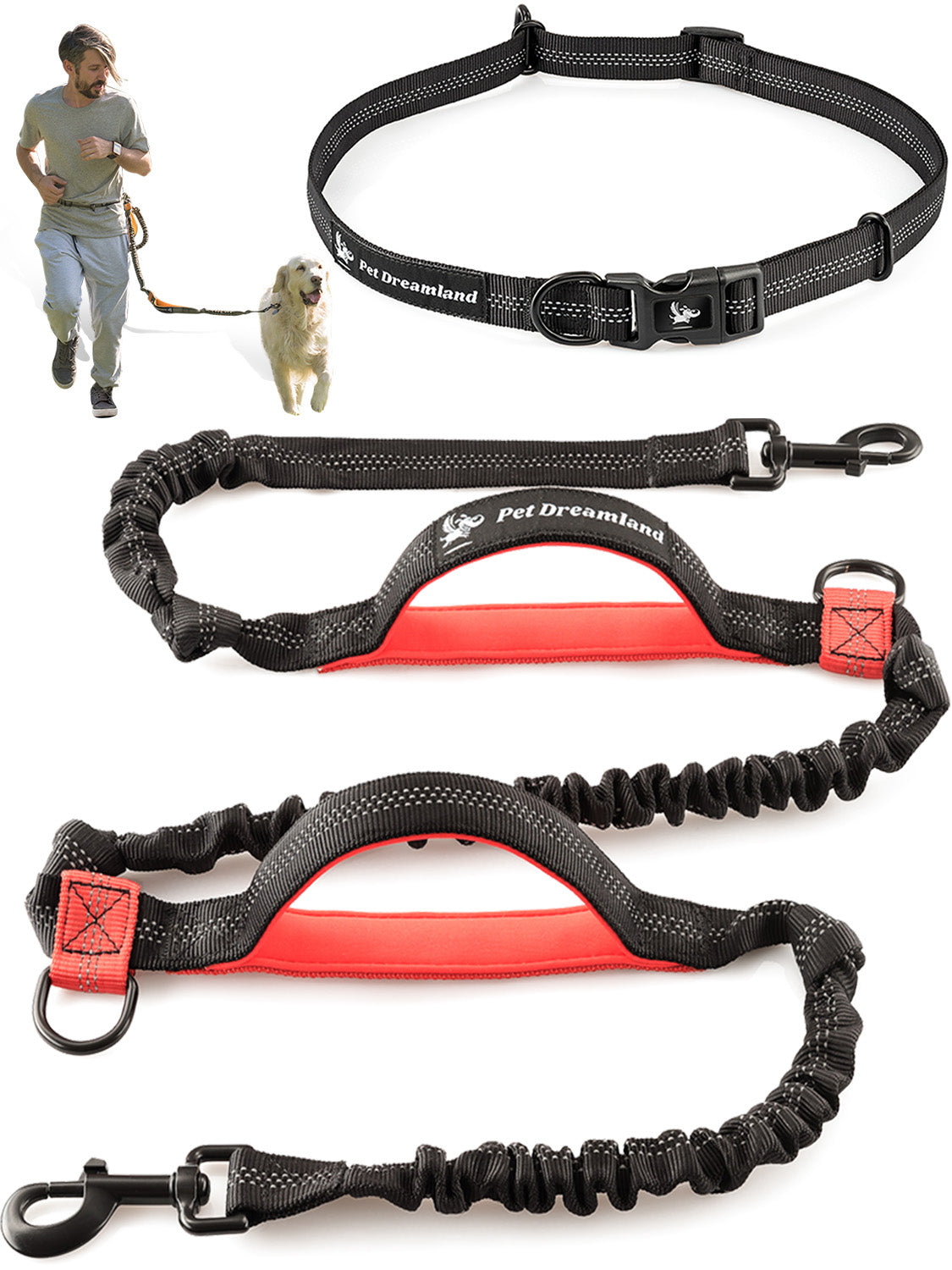
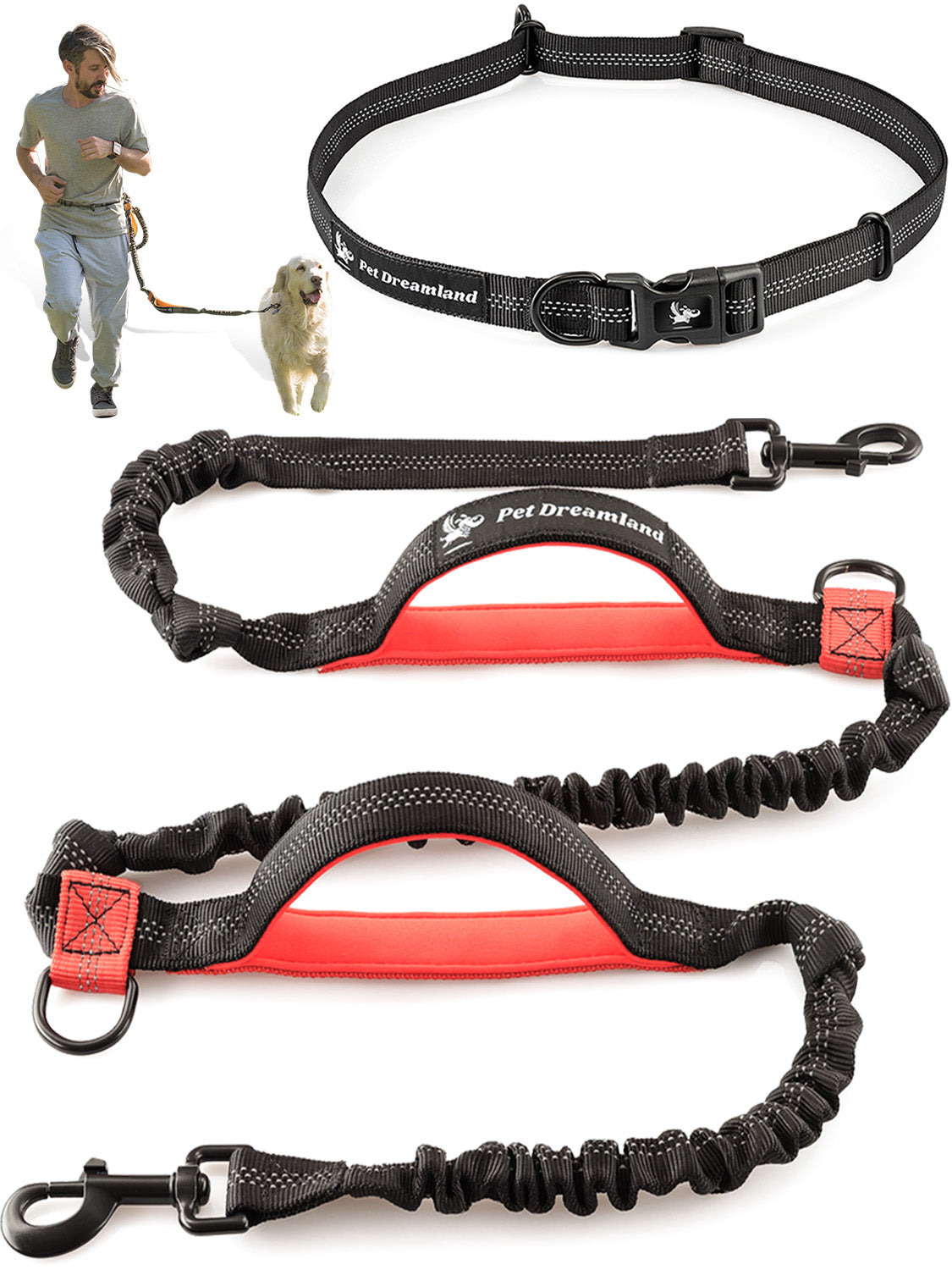




Hands Free Dog Leash
Double Leashes
Accessories
SWAG






Why You Need to Vaccinate Your Dog

Image by Adriana Morales from Pixabay
Vaccination and its essential role in a dog's life
We have seen the importance of vaccines for people in recent years, and it is the same for dogs.
All puppies should be vaccinated, and they need boosters throughout their lifetime.
Vaccines are necessary because they prevent your dog from getting certain diseases and stop spreading to other dogs and possibly people.
Why you first get your new puppy, you will need to register with a local Vet, and they will discuss a vaccine schedule with you. If you get an older dog from a rescue center, they will likely have vaccinated them, and when you register with a Vet, they will be able to discuss a vaccine or booster schedule with you.
Vaccines are vital as they stop many health issues. Different vaccines work in different ways, but they generally expose your dog to a modified or weakened version of a disease. This allows the dog's immune system to produce a defense against the illness so that when the dog is exposed to the actual condition, its immune system recognizes the disease and knows how to combat it quickly.
It works in the same way as to how human vaccines work, and if you are worried about hurting your dog, it would only hurt them as much as it would hurt you. Also, like with human vaccines, they might make the dog a little groggy for a couple of days, but there is not usually anything to worry about.
What vaccines do dogs need?
What vaccinations a dog requires will depend on where you live, but generally speaking, it will be some combination of the below diseases:
- Bordetella
- Distemper
- Dog flu
- Hepatitis
- Kennel cough
- Leptospirosis
- Lyme Disease
- Parvovirus
- Rabies

Puppy Vaccinations
When you first buy a puppy, you need to be very careful with their health, as they do not have a fully functioning immune system. This makes them vulnerable to health complications from various diseases, like Parvovirus and Canine Distemper.
What puppies are vaccinated with and when will largely depend on the country and area you live in, as the Vets will have to abide by specific laws and regulations.
Generally speaking, puppies are vaccinated at around the 8-week mark, then they are given another course of injections within a month.
Then it is usually recommended that you keep the puppies in the house for another two weeks, especially if they are likely to meet unvaccinated dogs.
Booster Vaccinations
Vaccinations do not give immunity from disease for the dog's entire life. They will need booster injections throughout their life. You can keep track of this yourself, but generally, your Vet will have records of what and when your dog needs a booster. This is usually done when you take them in for their yearly check-up.
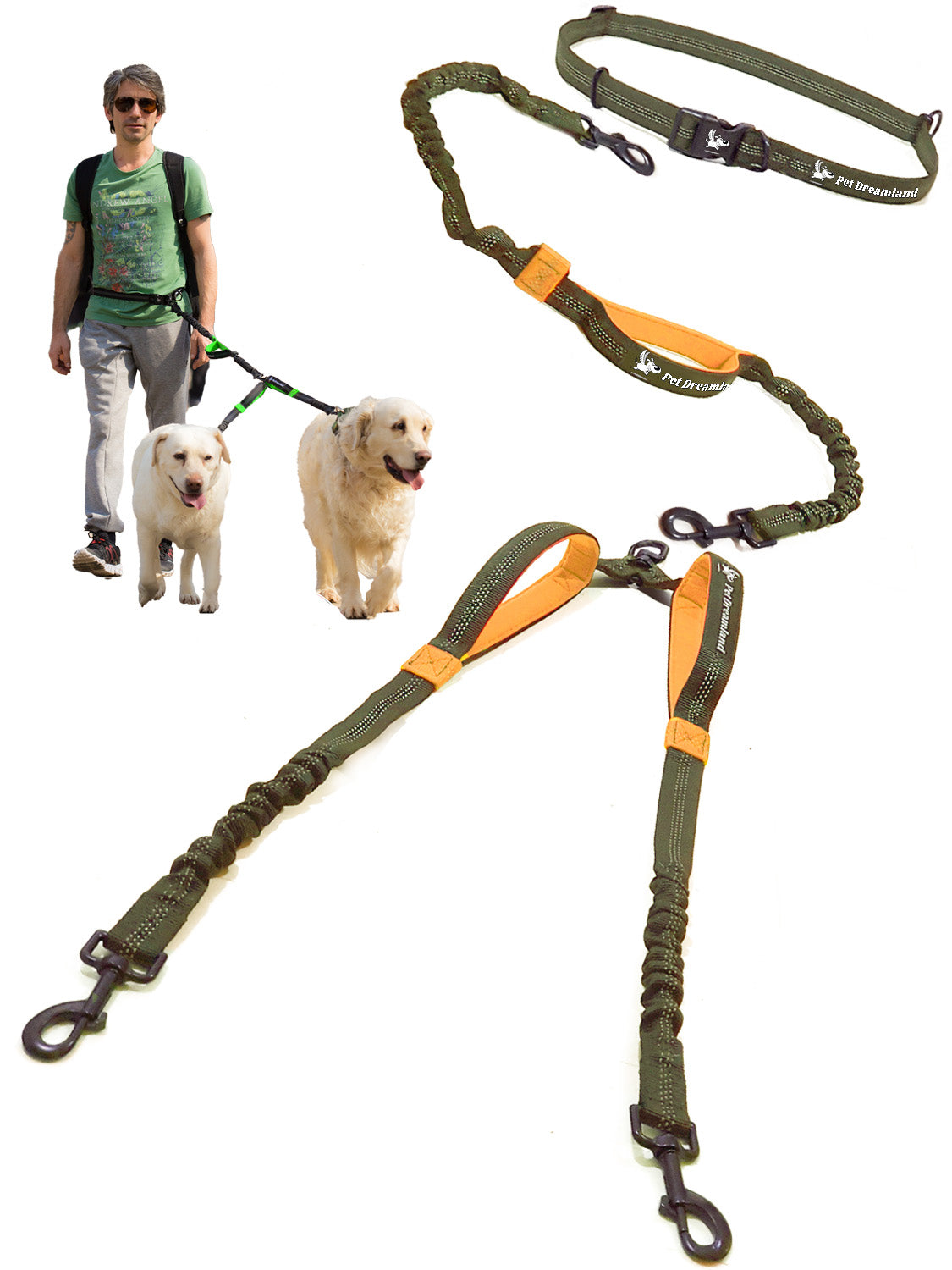
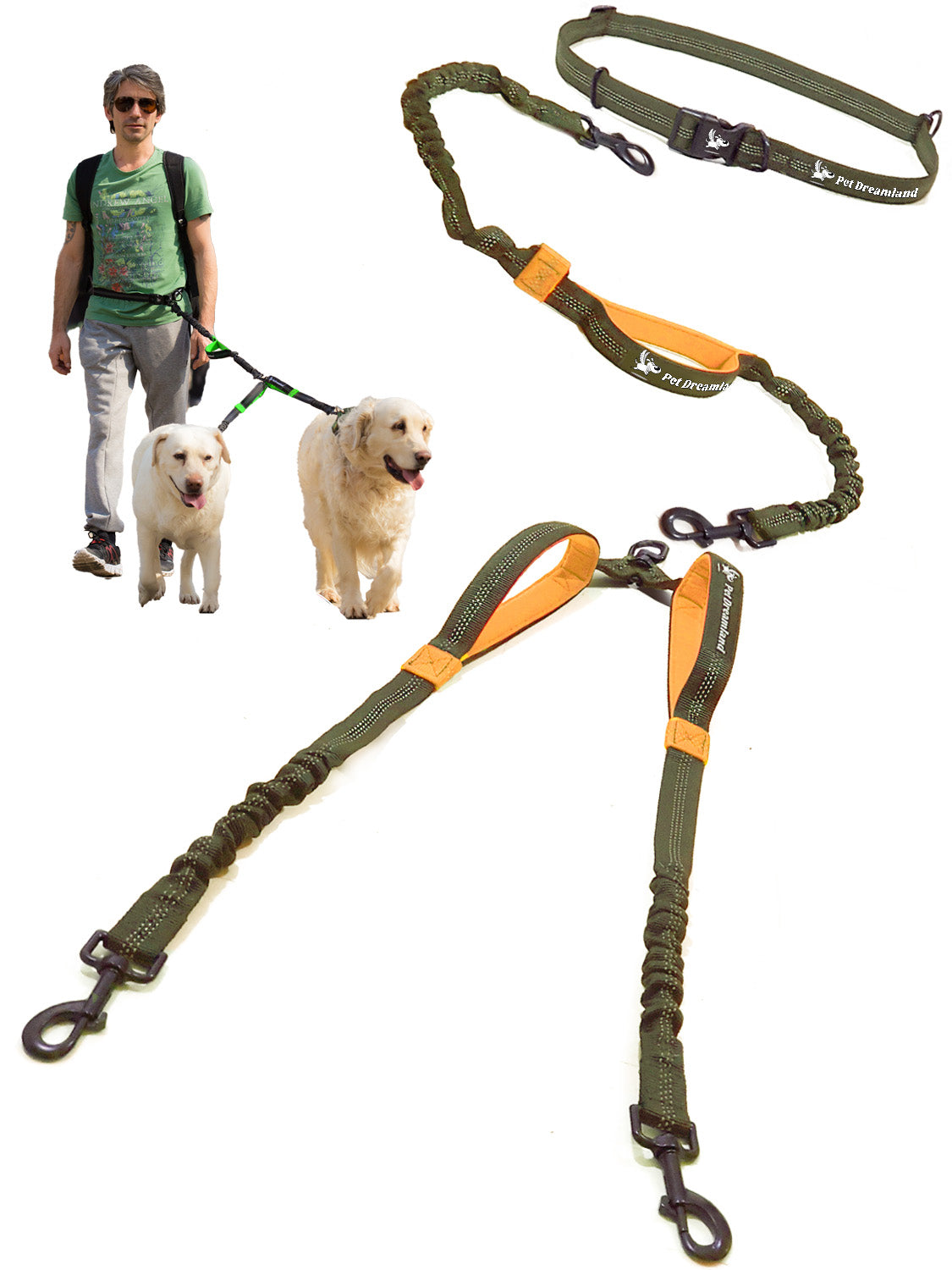
💯 Perfect For Your Dogs: Use your everyday dog walking leash and attach one of the carabiners to the coupler's swivel and the carabiners from the coupler to the dogs' collars. Now you can walk both your dogs with any single leash or using our Hands Free Leash!


What if you miss a booster
If you miss a specific booster, it does not mean that they suddenly have no immunity to that disease the day after that missed appointment. It just means the dog might dip under a recommended level of immunity, so they are at more risk of catching that disease.
So, the longer you leave it, the less the immunity will get. Generally, if you make an appointment, they will give the dog a booster, and that will be enough. If the dogs expected immunity dips too low, then a whole new vaccination for that disease may be required.
Therefore, it is always best to keep on top of vaccines and boosters.
Why where your dog is from is essential.
The more you know about a dog's past or the puppy's parents, the better.
If you have adopted the dog from a reputable rescue home, they should have been given a range of vaccines, which they will record, which you can then pass onto the Vet you register with.
For Puppies, it is helpful to ascertain what the vaccine history of the parent is. This is because puppies can get a certain level of immunity from their mother in the womb and through breast milk. The more information you have, the better, which is why you should buy puppies from registered breeders and not places like Puppy Farms.
What is a titer test?
If you are unsure of your new puppy or adult dog's vaccination history, you can have a titer test done. This is a blood test that can estimate a dog's immunity against specific diseases. This enables you to establish what vaccines or boosters it needs.
This is also useful if you think your dog is over-vaccinated and you want to have a more targeted vaccination schedule. This is not 100% foolproof, but it is a helpful strategy if your dog is prone to having bad reactions to vaccines.
Travelling and social
Even if you do not believe in vaccinations, you must be in situations where you are required to do it. If you are traveling to different countries, there are often different rules and regulations on what vaccinations a dog needs. Also, many kennels and private dog parks will request proof of immunization when you sign up or book a stay.
Final Thoughts
A dog can live a long and happy life without vaccinations, but they are at higher risk of catching the disease and are more likely to have worse reactions. Plus, you might violate the law.
So, unless there are legitimate reasons why your dog cannot be vaccinated, and you are given exemptions, then it is a good idea to stick to a vaccination program put together by your Vet.
For all general inquiries, please contact us at customer@petdreamland.com
©2020 Copyright. All rights reserved