
SHOP
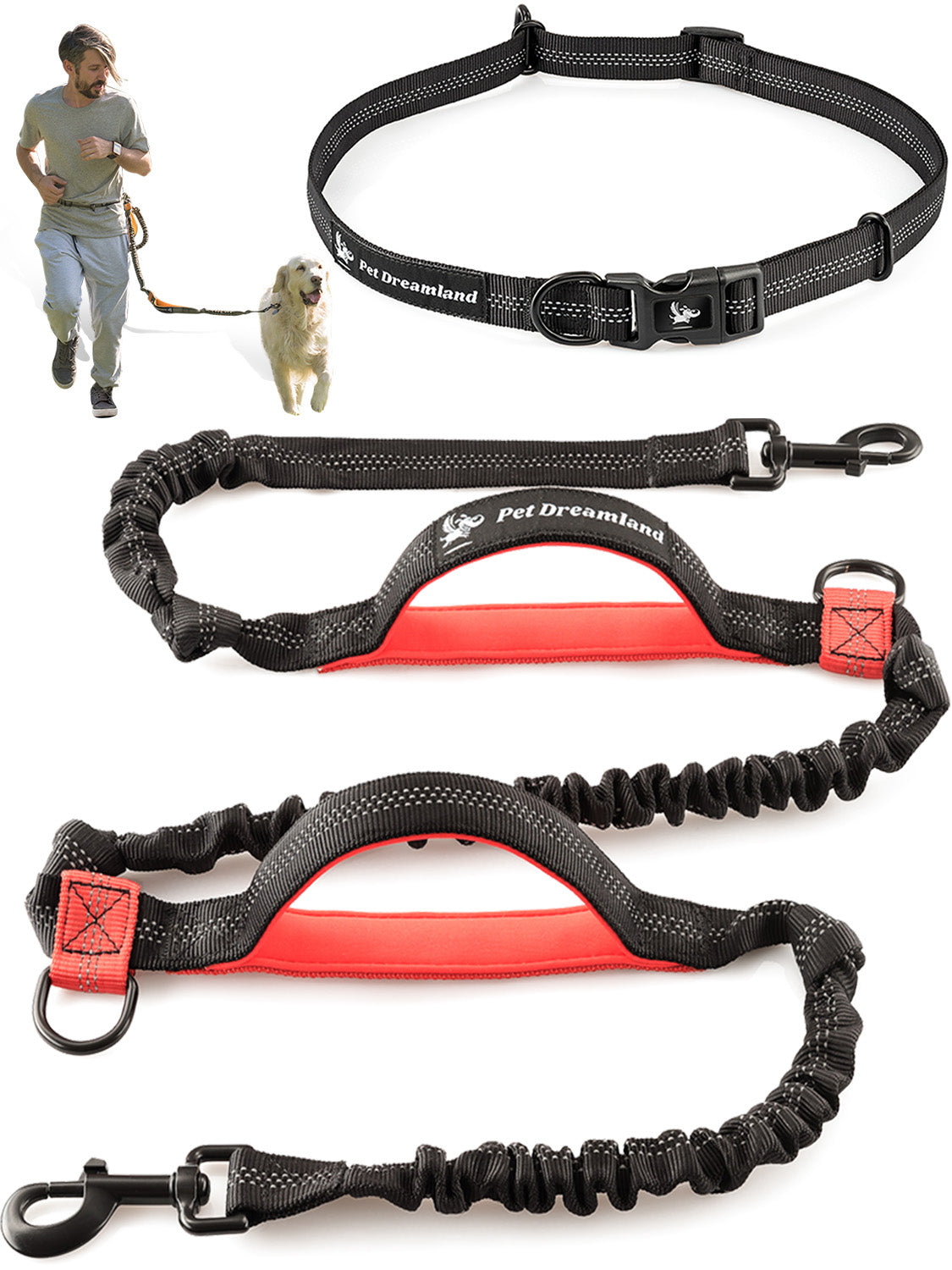
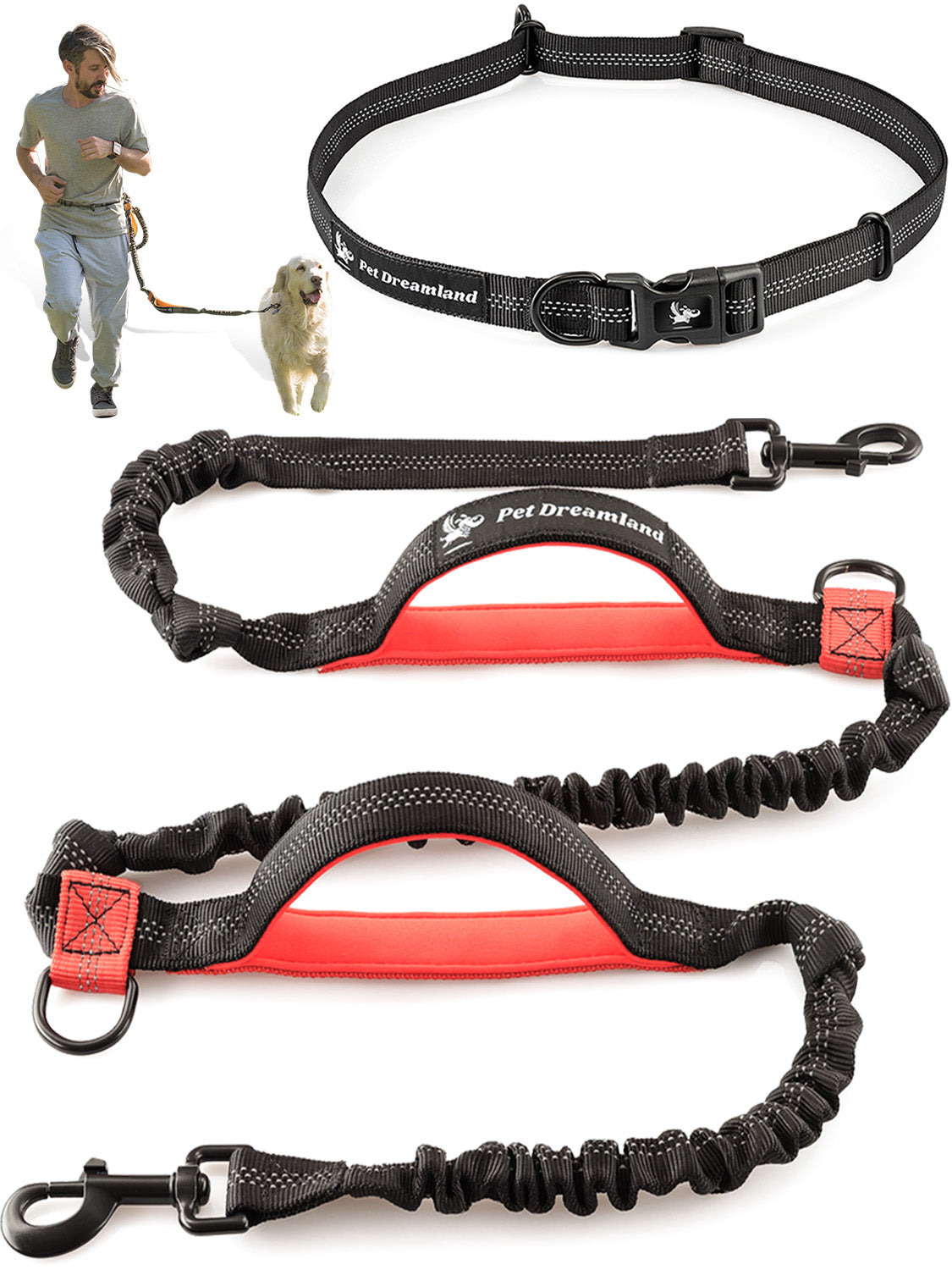

Hands Free Dog Leash
Double Leashes
Accessories
SWAG

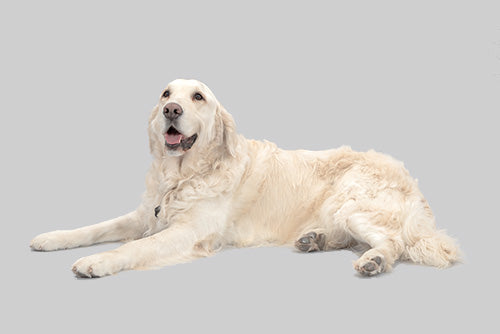



How To Train Your Dog To Heel Off The Leash?
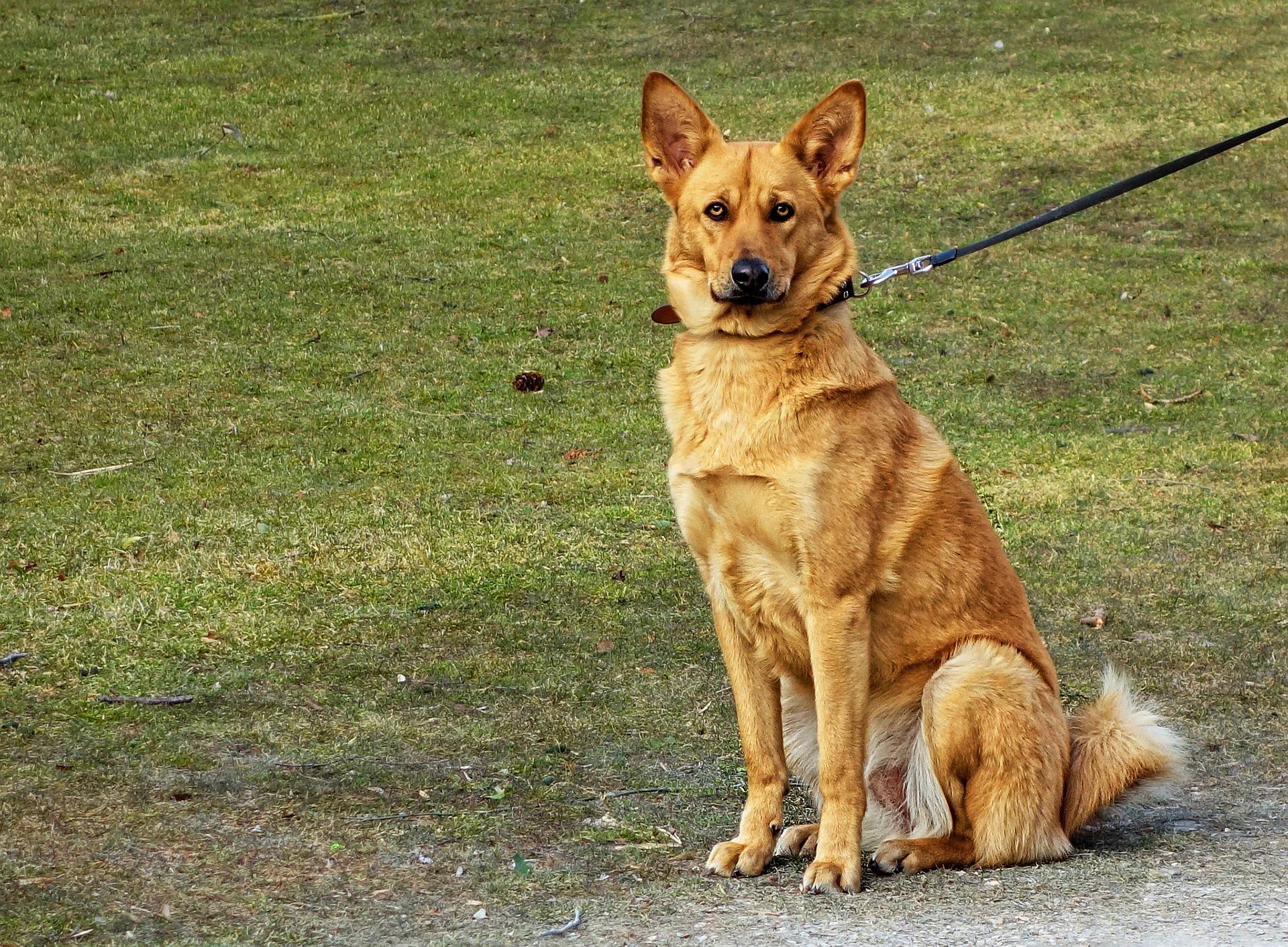
Image by Mabel Amber from Pixabay
Are you worried about how to walk a dog off the lead?
But feel like you have to try because your dog would prefer it?
Then you need to know how to train your dog reasonably and safely.
Having your fur friend walking calmly by your side, as you walk through meadows and forests, as the sun is rising, is often the ideal image new dog owners have when picking up their new puppy or rescue pooch. It’s an idyllic view of pet ownership, which is entirely achievable with the right training.
But how do you do it?
Firstly you train the dog to walk to heel on a lead. The commands you use in this part of the training will be the same commands you use when you finally take off the leash.
Should walk with a dog off lead be your goal?
Pros
- Trust - shows you trust your fur family member, and they trust you.
- Well Trained - shows you have taken the time to train your dog, and that they can be comfortable and happy in the outside world.
- Will Listen More - a dog off lead will be waiting for instructions once well trained, while they may be passive and less interested on a lead walk.
- Freedom - dogs love their owners, and owners love their dogs. Dogs want to be with their owners, so they are not destined to run off as soon as they can.
- Behavior - dogs, can behave differently around other dogs when on a lead, and it is often the other way round than what you would expect. Dogs generally behave better around other dogs when off lead.
Cons
- Safety - no matter where you live globally, there can be safety issues out of your control. Especially in cities and densely populated areas.
- Scared - no matter how well trained a dog is off the lead, something could happen, scaring the dog, and they forget their training. Like a car backfiring or thunder.
- Instinct - some animals have bigger prey drives than others. Good luck trying to stop a Lurcher from chasing a rabbit, haha.
- Other humans - weirdly, some humans don’t like dogs and feel more comfortable if dogs are on a lead. Also, your dog might not like other humans, and you may not understand their triggers. For example, a rescue dog may dislike tall men, so having them on a lead will help you manage any situations that may arise.
- Rules – increasingly, there are more places where you can and cannot walk a dog off lead. You can find signs saying that dogs must be kept on a lead even in parks and beaches. So you may be better concentrating your training time in other areas.
Can all dogs be trained to walk to heel off lead?
YES, is the simple answer! However, some are more easily trained than others. It is a fact that some breeds pick up training commands quicker than others. It is why you mainly find Border Collie’s working on farms and Labrador’s as guide dogs. They are highly intelligent breeds, and they have a general personality that wants to please its owner. All dogs love their owners, but some breeds have characters that make it harder to train them. A Saluki or Greyhound will cuddle up with you on the couch all day long, but try getting them to round up some sheep in the rain. No chance.
The Training
The techniques for teaching a dog to walk to heel off and on a lead are the same but do not presume once they are trained to walk to heel on a lead, they will know what to do when they are off lead. You will need to repeat the training process you did on lead with the same commands when you take the lead off. However, they should pick up the training quicker, as they are used to the commands you are using.
Right, let’s get started.
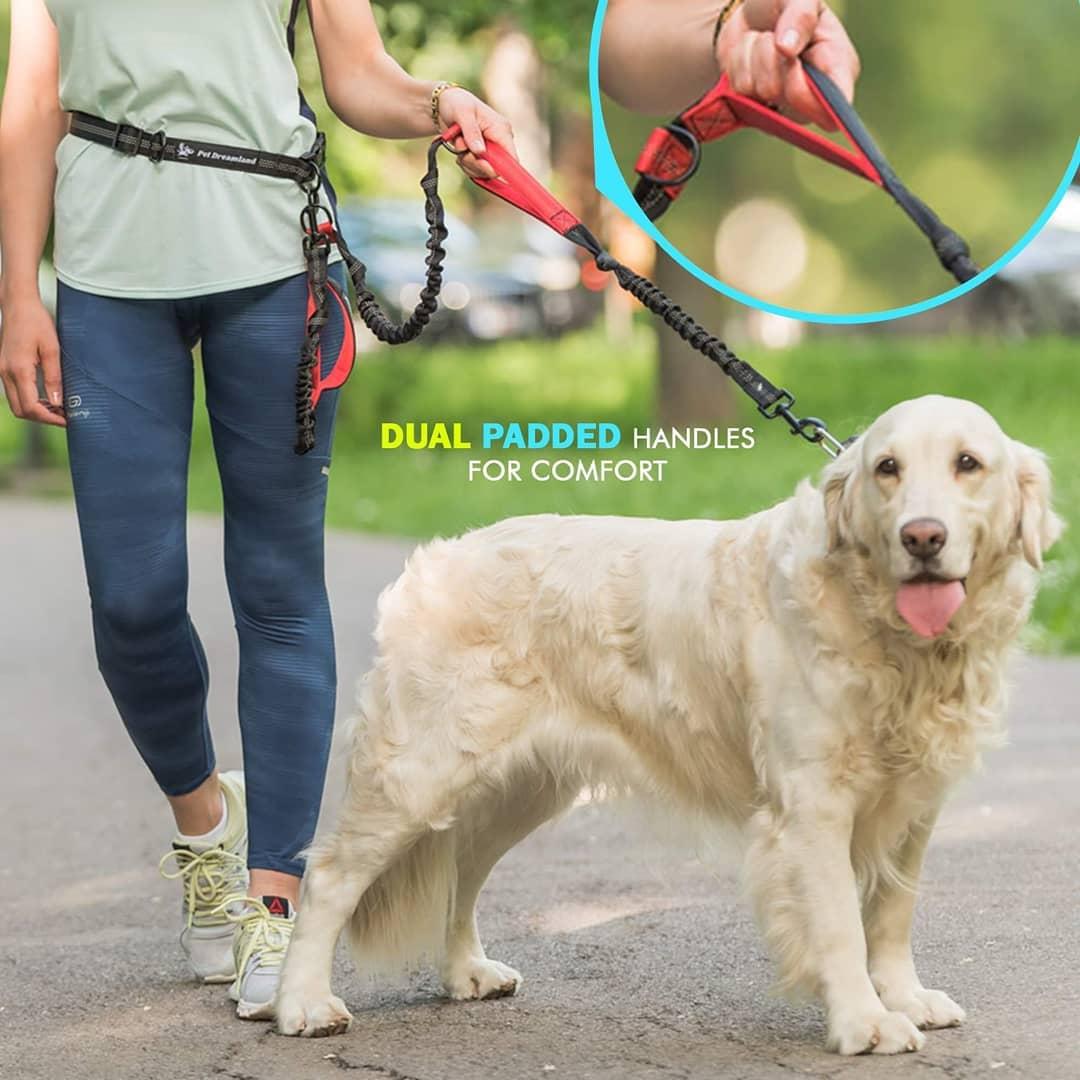
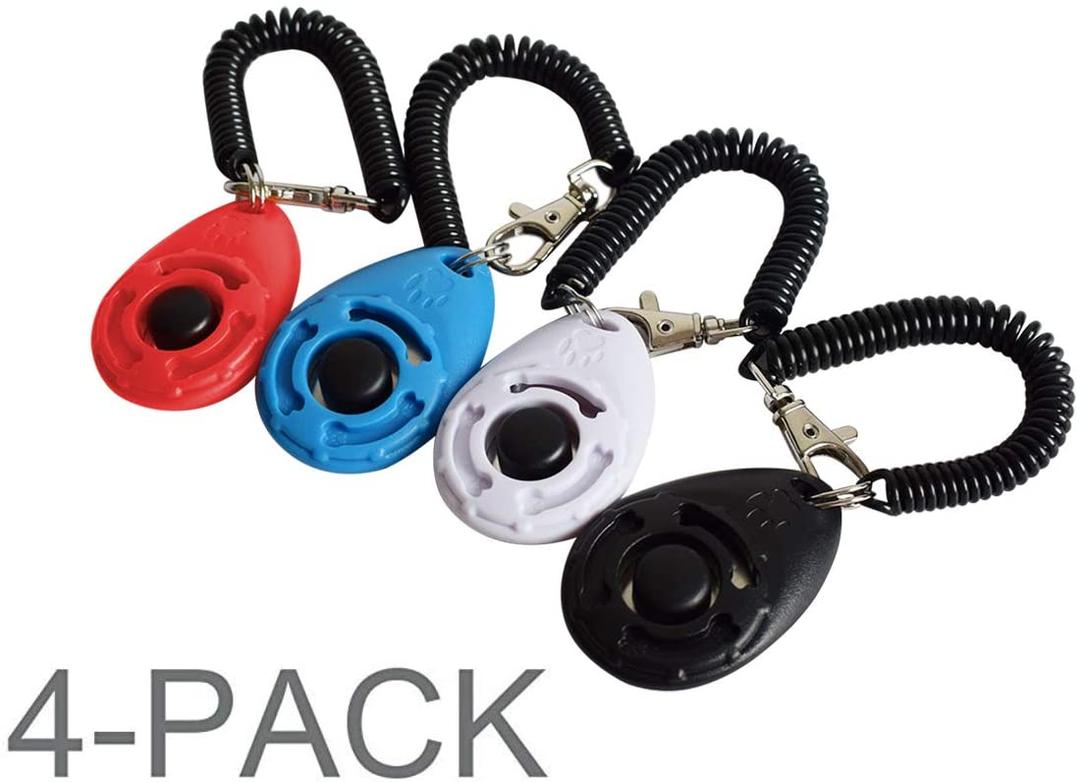
HERE ARE OUR RECOMMENDATIONS FOR TRAINING TREATS AND CLICKER
Location
In the early stages of training, you need to be somewhere that is quiet and has few distractions. It also needs to be a safe place, in case it goes wrong. A private dog field/park is ideal for this where you can pay for a time in an enclosed field, just you and your dog. Suppose you have to train in public, in a park, for example. Then choose a time of day when it is going to be quiet. The fewer distractions, the better.
Controlled escalation
Think about your escalation of training. If you have learned to drive, you will know that you didn’t go straight from a car park on your first lesson to a second lesson motorway. So don’t go from a private enclosed field on the first training lesson to a busy park or high street on the second.
Choose your commands
Consistency is needed here; you need a range of commands thought out in advance. They need to be short, precise, and repeatable. It would help if you used the control consistently in similar situations so that the dog can build a learned behavior. The usual commands are things like Heel, Stay, Stop, and Sit. However, it could be anything really as a dog doesn’t understand the definition of the word heel in the human language. It is reacting to a sound, which they learn how to behave.
Choose your weapon
Never actually use a weapon; obviously, training should be a positive experience for you and your pet. It should be filled with positivity, not punishment.
I mean, choose your training aid. Treats and Clicker are the two main methods. When the dog has done what you wanted, you give it a treat or make a click. Eventually, you use the Clicker or dispense treats less and less until they are not needed at all.
As well as verbal commands, you can use physical actions too. Like when you say heel, you may bring your arm straight down by the side the dog is on. Or maybe gently pat your leg.
Starting position
Start the walk or training session or segment, in the same way, every time. The best way, I believe, is to tell the dog to sit. So if you are starting from the door of your house, you have your dog sit as you open the door. If you start from the car at a trailhead, you start the walk with them sitting. If you have taken them to a park on a lead, you will let them off the lead in the garden to begin the training; then, you must get them to sit before taking off the lead.
Every time the dog breaks from the heel, and you have to start again. Get them to stop, and sit. Then start walking again.
Leader
You are the leader, and you control the session. So when it is time to walk. Walk with a purpose, walk briskly but not too fast, have a consistent line, and not veer left and right. You want to make things as easy as possible for the dog to learn.
The walk
- The dog is in a seating position.
- You say heel and start walking. Try to have a positive and happy tone.
- Every few yards, you continue to say heel, and dispense a treat or click.
- Continually reinforce the right behavior, with treats, clicks, or predetermined praise verbally or physically.
- If the dog charges forward, lags or veers off. You stand still and give them a command in a stern but not aggressive manner, like ”come” or “stop.” Have them sit next to you. Then start the walk again.
Progression
Training can be mentally and physically tiring for a dog. Please do not overdo it, but you are looking to progress on each training session. For example:
- Time – they can walk to heel for increasing amounts of time.
- Distance – they can walk to heel further each time.
- Treats – fewer treats, clicks, praise are needed per time or distance.
CHOOSE PET DREAMLAND LEASHES
FOR A 100% LIFETIME WARRANTY

Hands Free Dog Leash

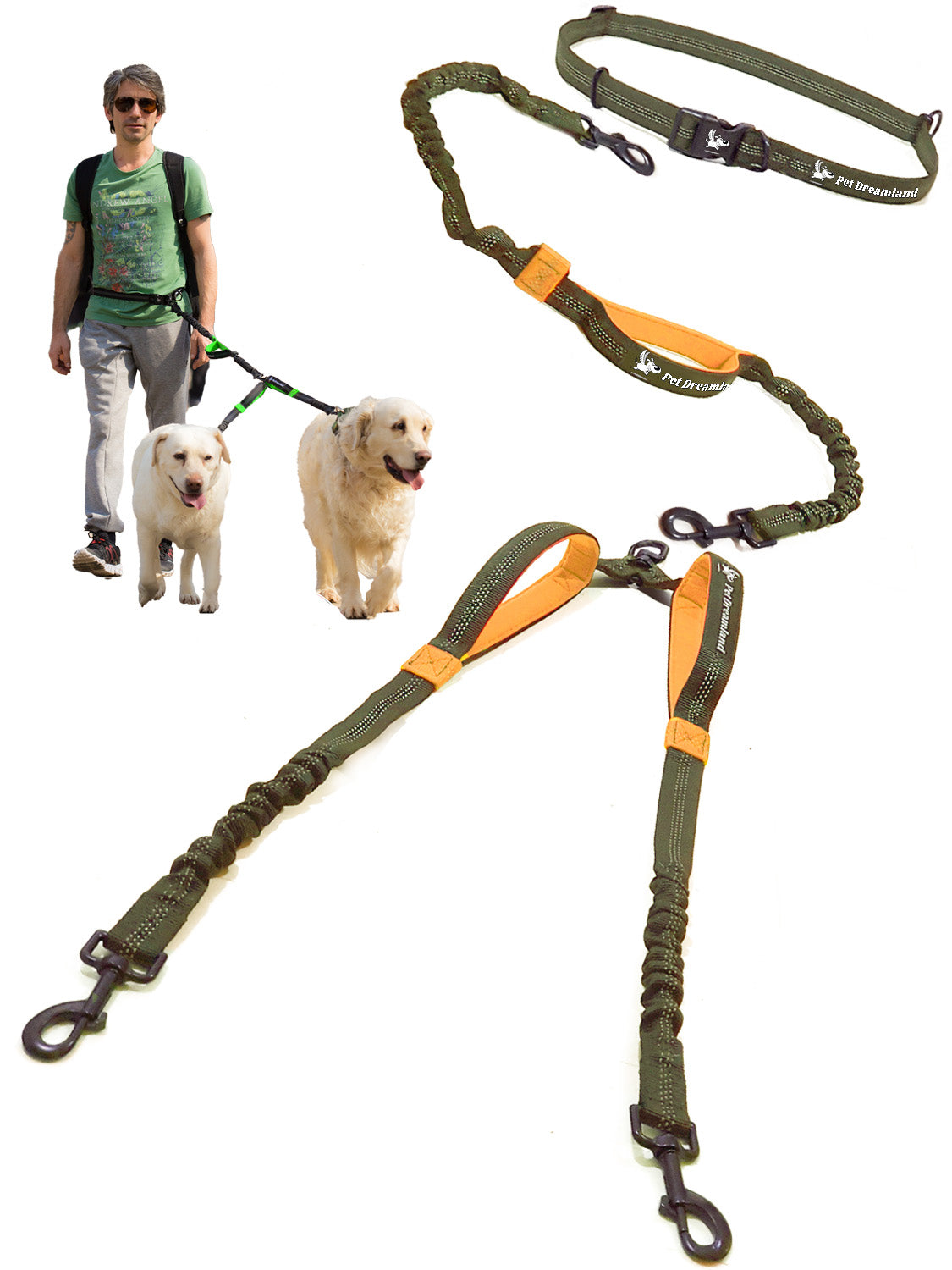
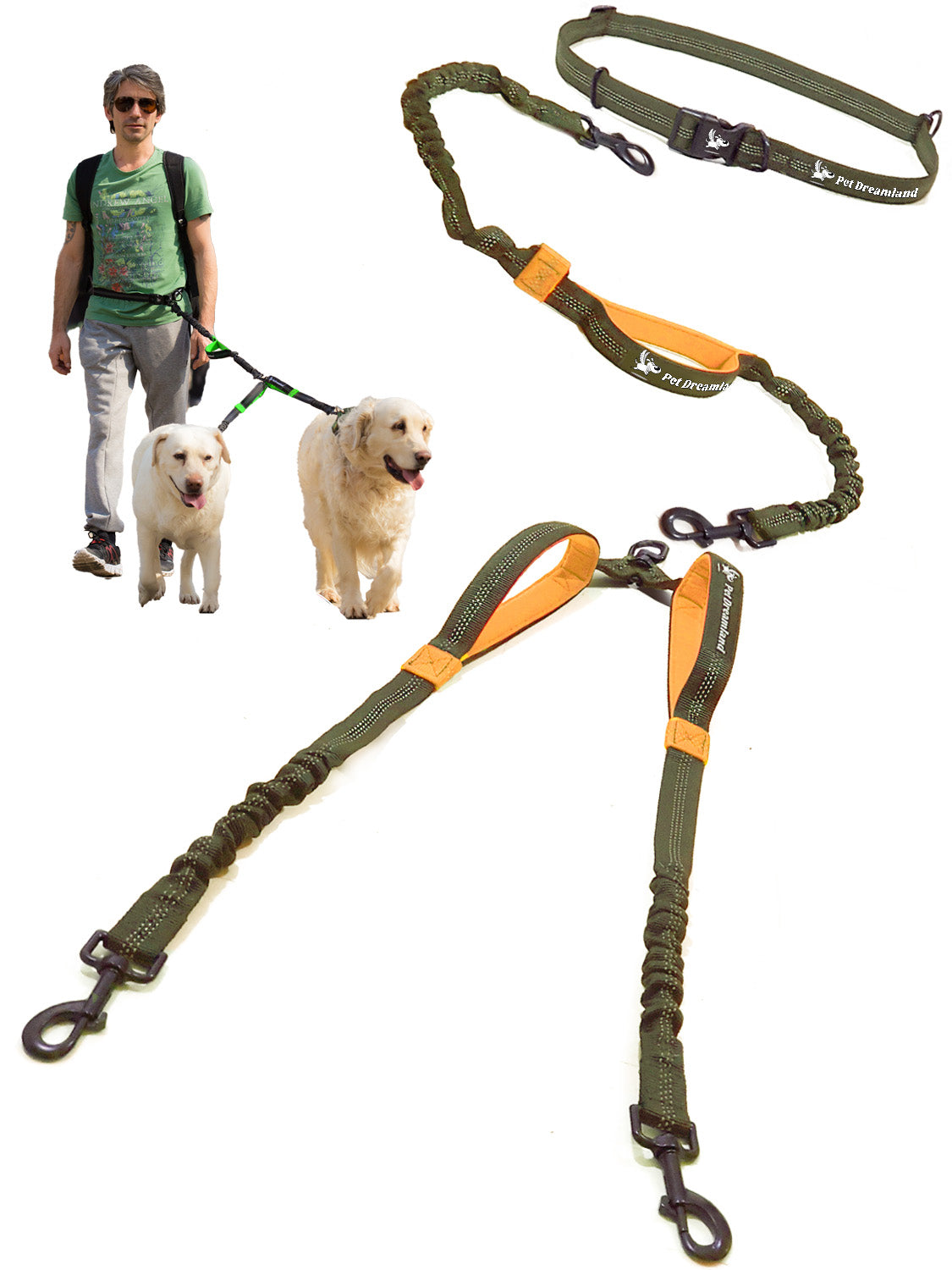
Hands Free Dog Leash for TWO Large Dogs
End on a high
Always try to end a training session on a positive. If you feel the dog is getting frustrated or bored, then stop the session.
It is essential to realize that training your dog is necessary for you and your dog. There is less time for stress and more time for fun and adventure. Training is not just something you are forcing your dog to do for no reason; you are giving it social behaviors and boundaries for its benefit.
Suppose you have a continually tugging dog on a lead or running off when it is off the lead. Then you are less likely to want to go and walk your dog. This is a shame for both you and the dog.
Remember that having a dog should be fun for you, but you also have a responsibility to ensure your dog has a fun and rewarding life.