
SHOP
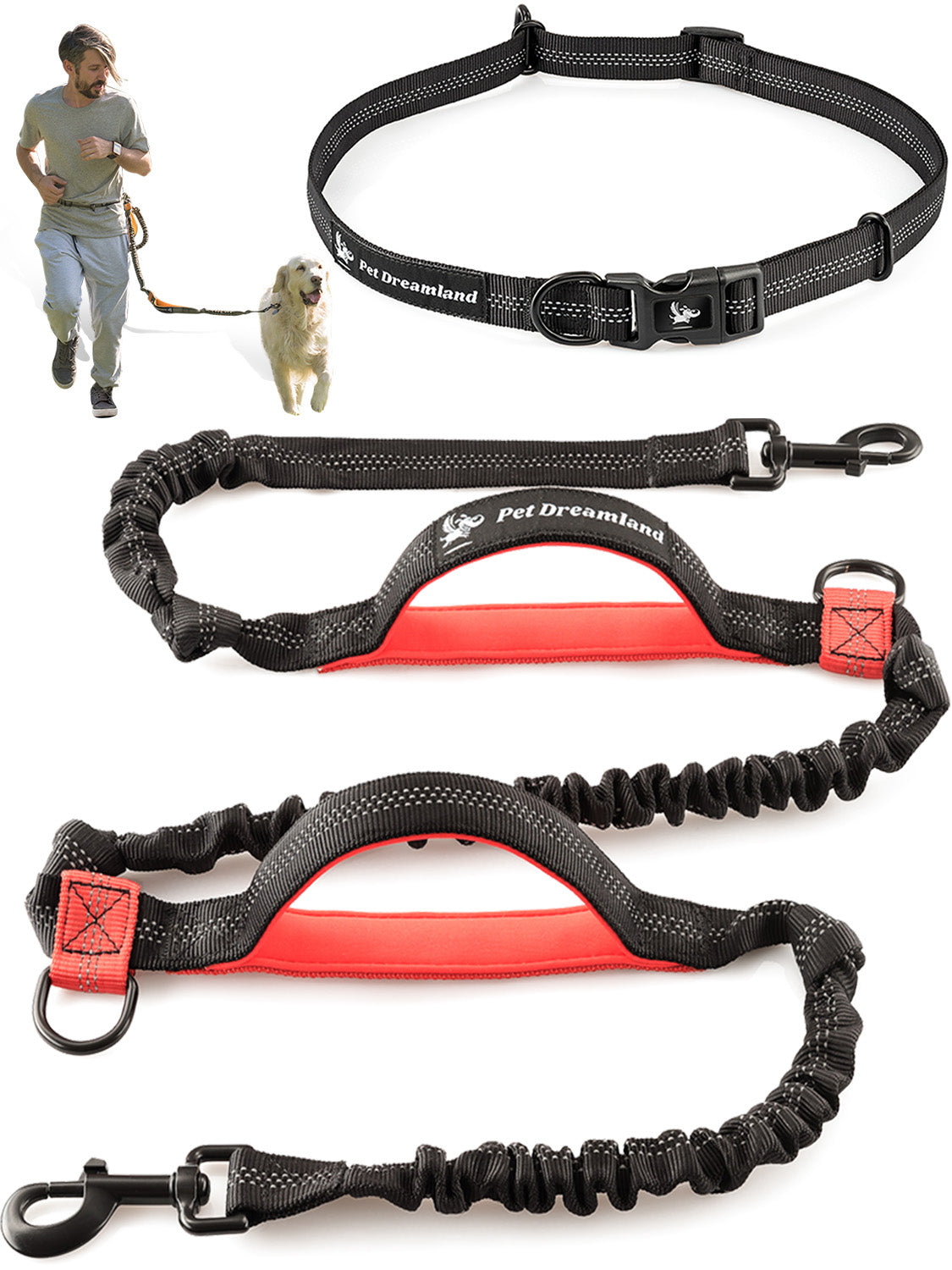
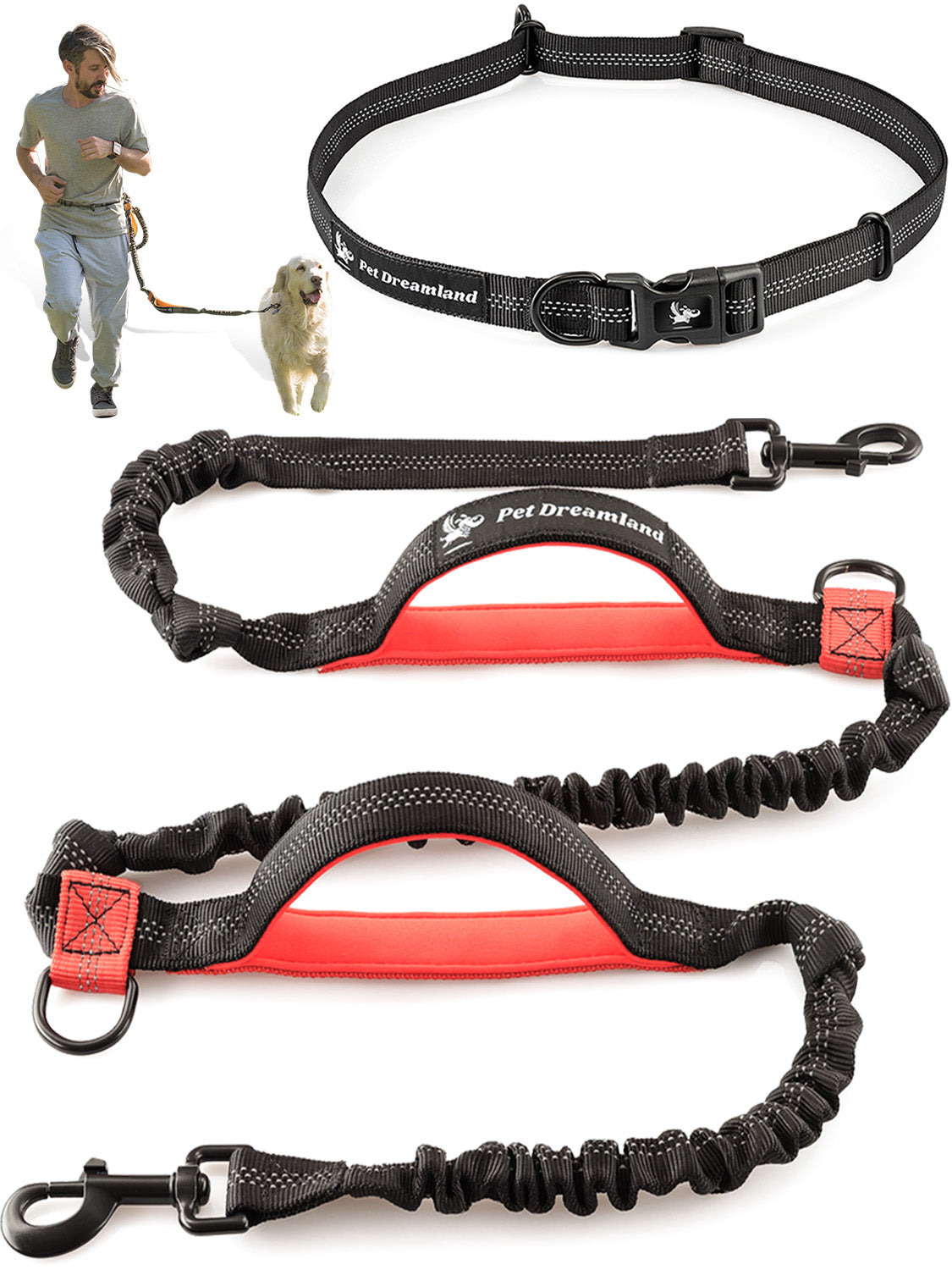
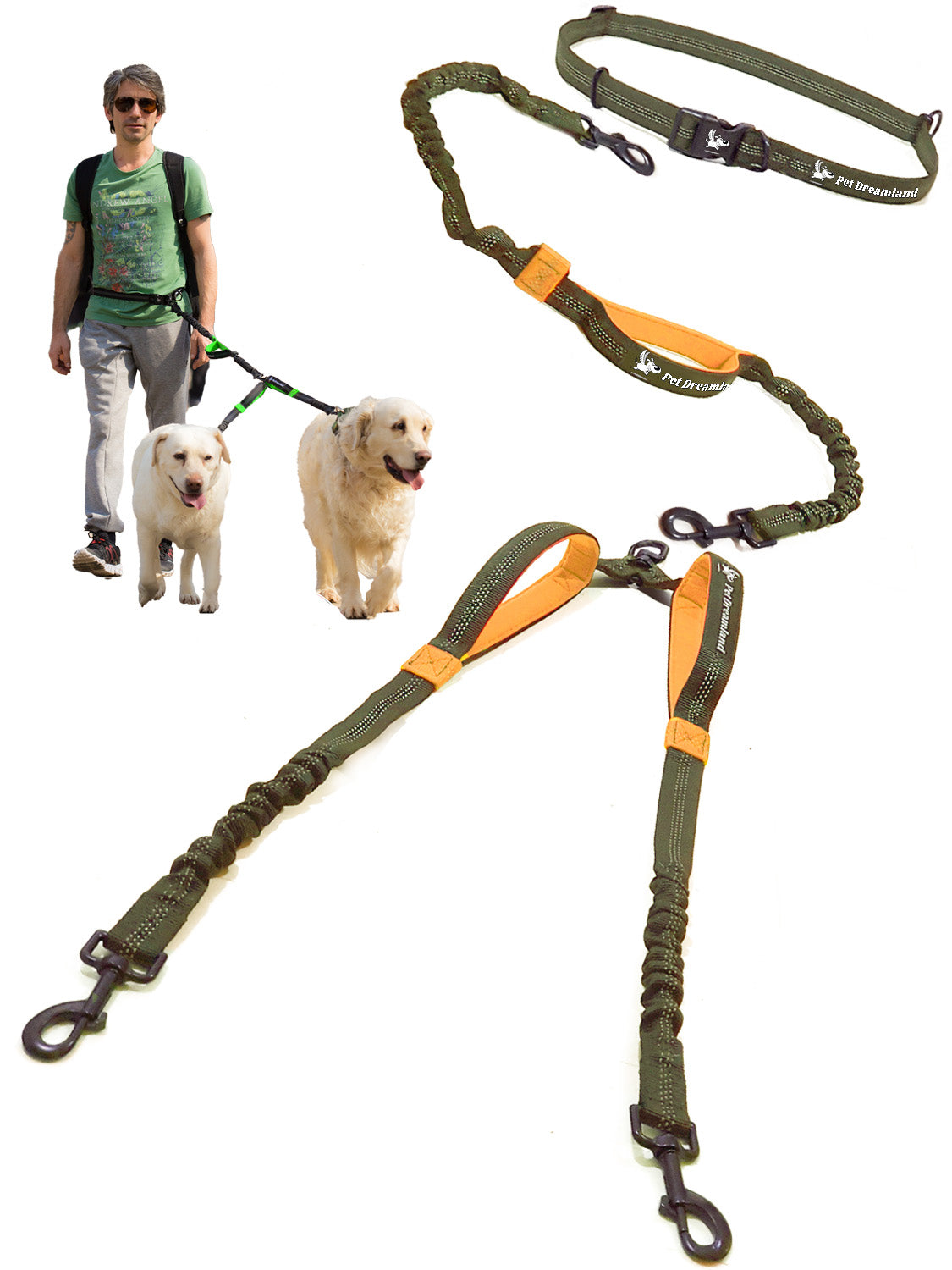
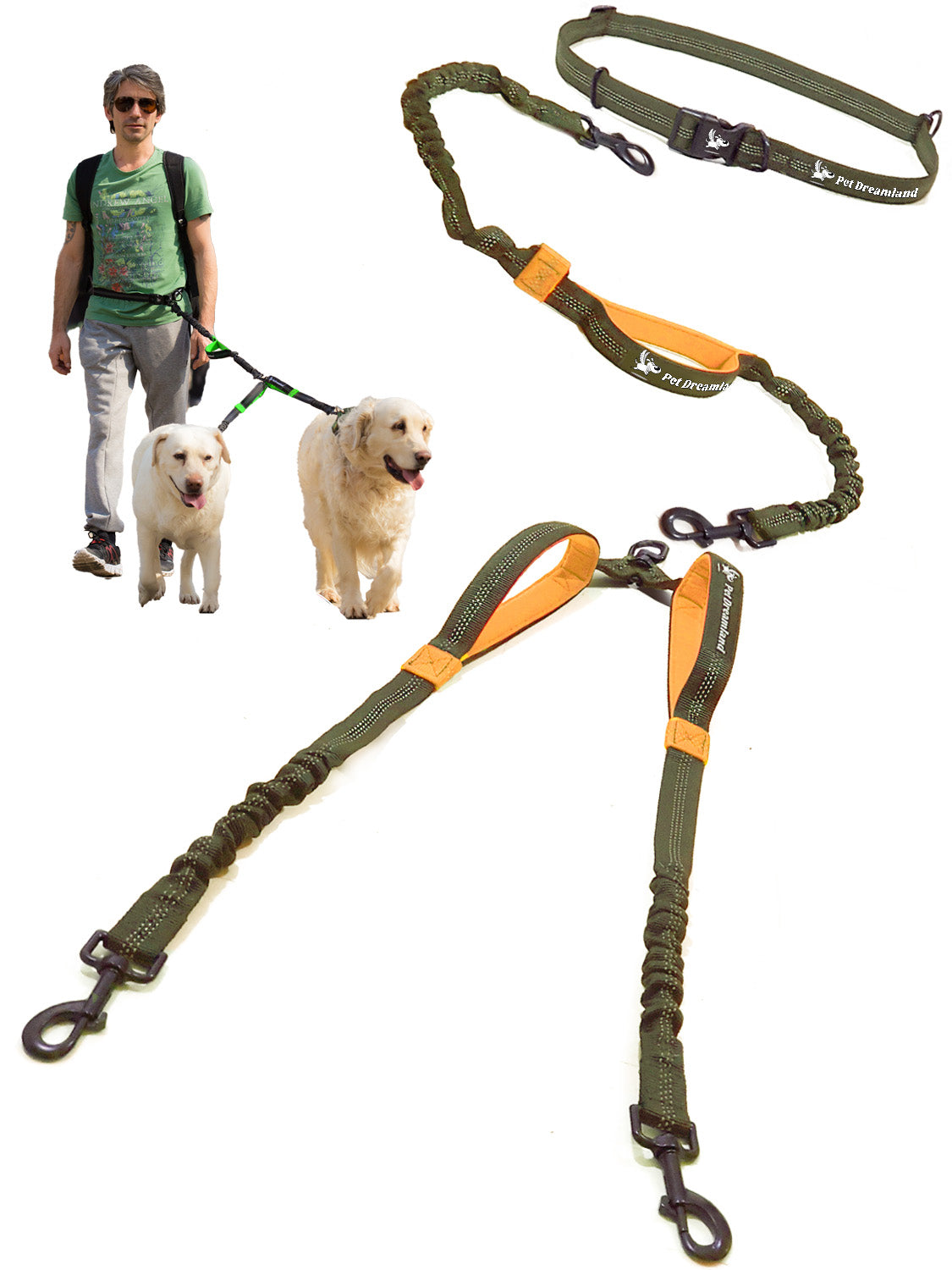




Hands Free Dog Leash
Double Leashes
Accessories
SWAG






How To Train An Older Dog
Image by braetschit from Pixabay
You can't teach an old dog new tricks!
Or can you? And how easy is it?
There are many reasons you may have ended up bringing an adult or elderly dog into your home. Usually, it is because you have just adopted a rescue dog from a shelter. But there are other situations like a family member who may have become too old to look after the dog, or maybe you have had the dog from being a puppy, and it has just formed a few bad habits over the years.
Habits
Is it hard to train or retrain an adult dog, or impossible even?
Well, let's be real. Ideally, the dog will have been well trained from a puppy, as like children, dogs do a lot of their best training at a young age. They are like a sponge and are primed to take in new information.
However, there isn't a magical point where a dog can no longer be trained. Just like adult humans can retrain for a new job, dogs can be trained to do anything at any age. It may only take a little longer and be a little harder.
It has been shown that even a stubborn adult dog can be trained in something new in 2 weeks with as little as 15 minutes of dog training a day. And this applies to any activity, whether housetraining, crate training, walking on a leash or lead, walking to heel, recall, sitting, agility training, or just something fun like rolling over to get a treat.
The fundamental aspects of training any dog, adult, or puppy remain the same... you need to be patient and consistent with what you are doing.
Be positive
Positive reinforcement is the cornerstone of any good dog training plan. This is especially important if you have just adopted a rescue. You will not have the full picture of what it has been through, what training level it is at, or what personality it has. Some dogs like Labradors are highly trainable and eager to please, whereas some dogs like Saluki's are more aloof and treat driven in training. So, there are many factors at play.
It is best to train an adult dog, especially a rescue, just like you would a puppy but with even more patience and care. Remember rehoming a dog is very stressful for the dog, and it can take upwards of 6 months before the doggie is genuinely settled in your home. This must be factored into your training, as you may end up thinking the doggo can not be trained, but it is just scared, unsure, and stressed. You may find they become more trainable the more they love and trust you.
Learn from each other
If it is rare that you will get an adult dog that has never been trained,
that is sometimes the problem. They have had differing levels of training under different methods of training. They may be used to other commands, different techniques, and strategies. For example, you could be using treats as a reward, but they may not understand this as they are used to clicker training.
It will also have learned acceptable behaviors in their previous homes or on the streets, which may not be permitted in your new home. From simple things like it may be used to sleeping on the bed with their previous fur parent, but you want them to sleep in a crate downstairs, or more deep-rooted issues like it may be aggressive around food. This is not them being naughty; you need to take the time to teach the canine what is acceptable within its new home.
Therefore, as we have already said, patience and consistency are essential, but you may need to vary your approach a little until you find something that works best for you and your new dog. As remember, your goal isn't to stress the dog out. It is to provide it with training for its safety, security, and happiness.
Especially in the beginning, it is best to use the little and often approach. Daily training for short periods is more effective than weekly long training sessions, for example. It is about building positive habits within a daily routine.
Mix it up
Your priority should be to get your dog used to what behaviors are acceptable in the home. For example, where it can go to the toilet, where it sleeps, what it can play with etc.
Once you have established that, you can start widening the training experience out into the real world, with things like recall and walking on a leash without injuring you or the dog. Dogs are sociable animals, so the more experiences you can give them, the more well rounded they will be. They need to learn what is acceptable around other humans. For example, they cannot jump up on other people. They also need to know how to react around other dogs and that not all other dogs are super friendly, as some may be reactive, aggressive, or scared. Taking them to dog play parks or dog meets up groups is an excellent way to supplement this side of the training.
The general rule of thumb is the more experiences you give them and the less bored they are, the more outgoing and well rounded they will be. If a dog spends too much time in the house and not enough time out and about, they may become fearful of new experiences, sights, and sounds.
Here are our recommendations for dog training clickers
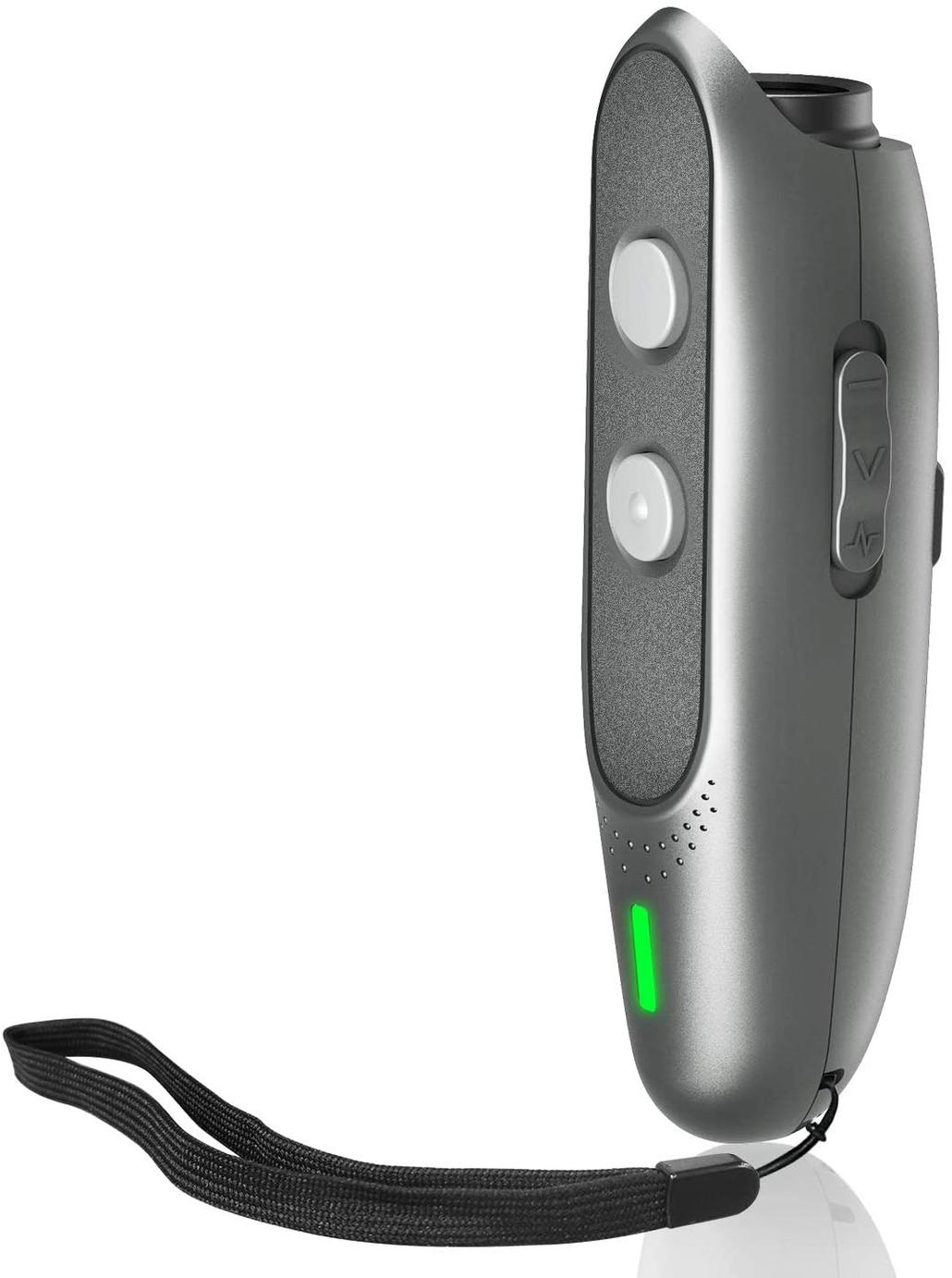
ELOPAW Bark Control Device
Three Different Frequency Wave to Avoid Dogs Getting Used to Simple Frequency This Ultrasonic dog bark deterrent can emit ultrasonic sounds with 3 different sound waves, stable frequency, undulating frequency, and irregular frequency sound waves.
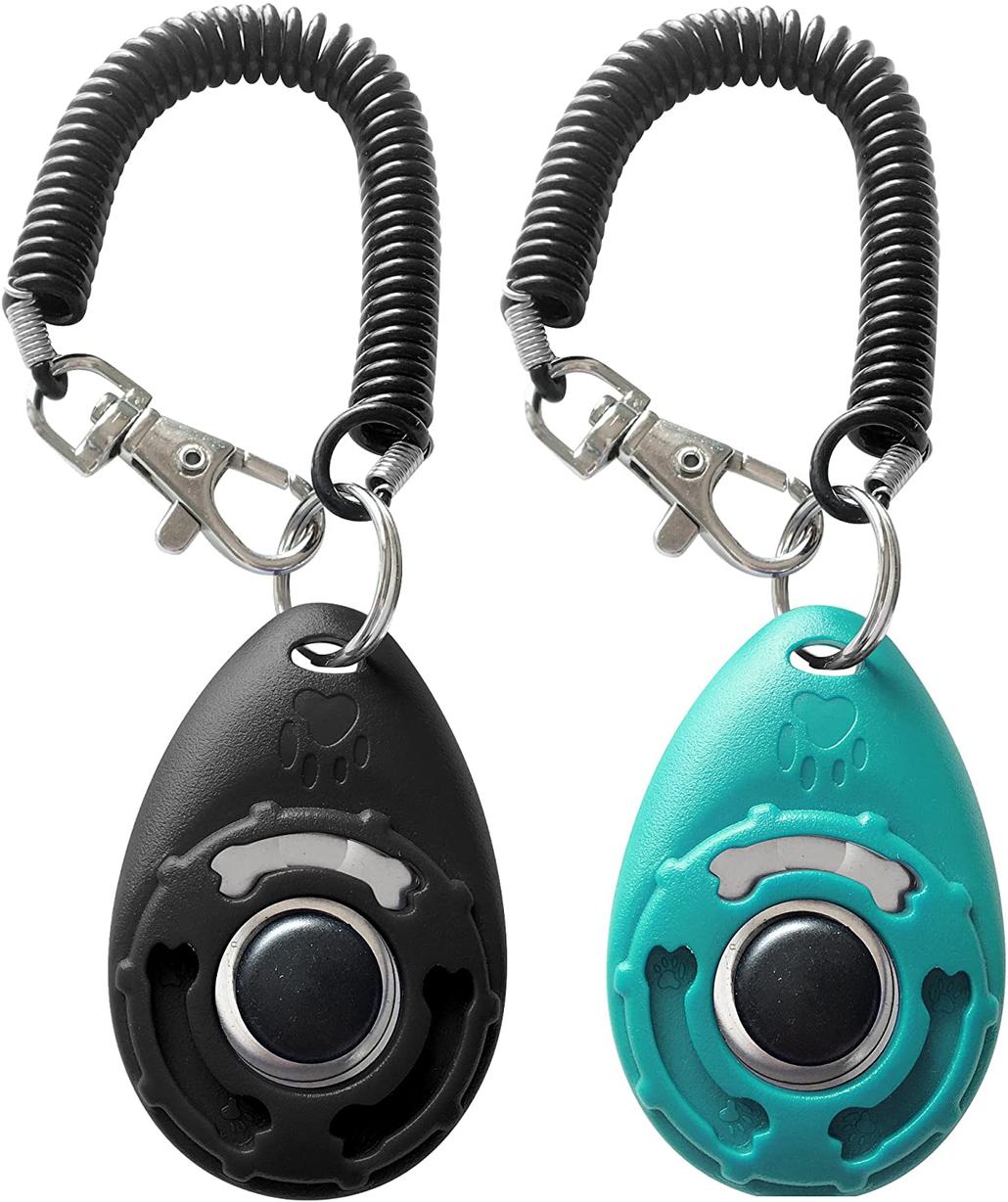
HoAoOo Pet Training Clicker with Wrist Strap
Stop barking and dog obedience. Train your dog quickly just by simply pressing the clicker and command.
Well constructed and durable, metal clicker will not rust or break.
Big button for easy clicking and loud sound.

MODUS Ultrasonic Dog Bark Deterrent
Dog Bark Control and Dog Training - Our ultrasonic anti bark device provides a safe and effective solution for dog training and bark control. The anti bark device can effectively train your dogs to stop unwanted behaviors such as barking, digging, eating unsafe food, fighting, etc.
Professional training
If you do not have the confidence to retrain an adult dog entirely by yourself, then there are many options to supplement your training with like one-on-one coaching or group dog obedience classes. These can be very useful, but a lot of the training will need to come from you daily.
You can teach an old dog new tricks.
The saying you can't teach old dogs new tricks is a saying that is applied to humans. It means human adults that have been doing things a certain way all their lives are often unwilling to change and do new things.
Dogs are not like this; they are loyal and are generally eager to please. If a dog understands the way you are training them, they will adapt to the new techniques you are using and want to please you.
So, if you have a good plan and strategy, it is pretty straight forward to teach an old dog new tricks.
CHOOSE PET DREAMLAND LEASHES
FOR A 100% LIFETIME WARRANTY

Hands Free Leash for One Small to Medium Dog

Hands Free Dog Leash for TWO Small to Medium Dogs
Yes, training an adult dog may be more challenging than training a puppy. However, it is not impossible.
It just might take a little more care, attention, and respect.
You do need to take on the leadership role, and a dog should respect that. But it would be best if you were not aggressive or overly strict. You should want the dog to do what you are asking it to do because they love you and want to please you. It takes time to build that sort of trust with an adult dog.
Dog obedience training is for their benefit, not just yours. It is your job to provide them with the best life possible. They are not toys or a plaything; it is about building a loving relationship with your new pooch and making them a part of your family.