
SHOP
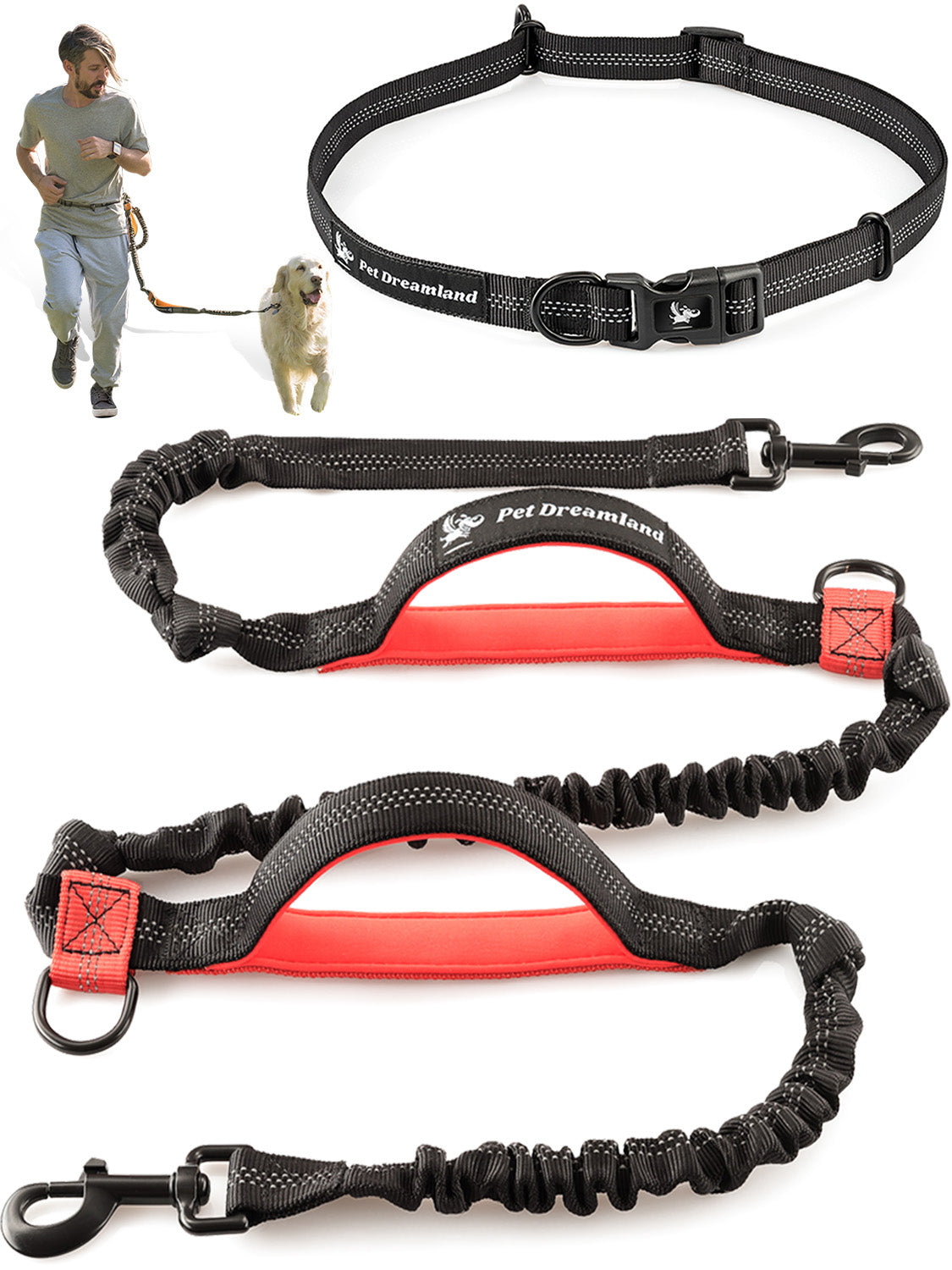
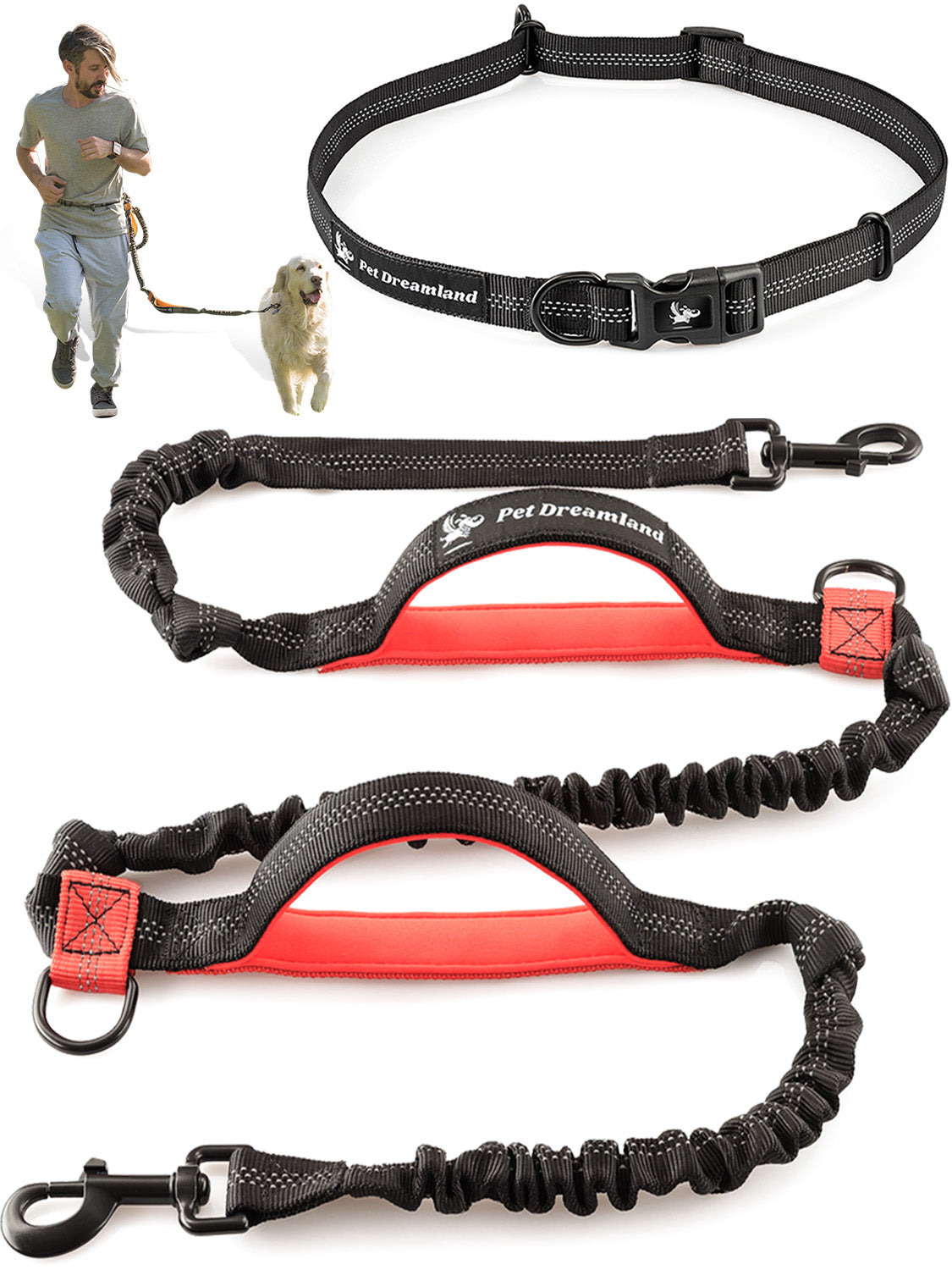
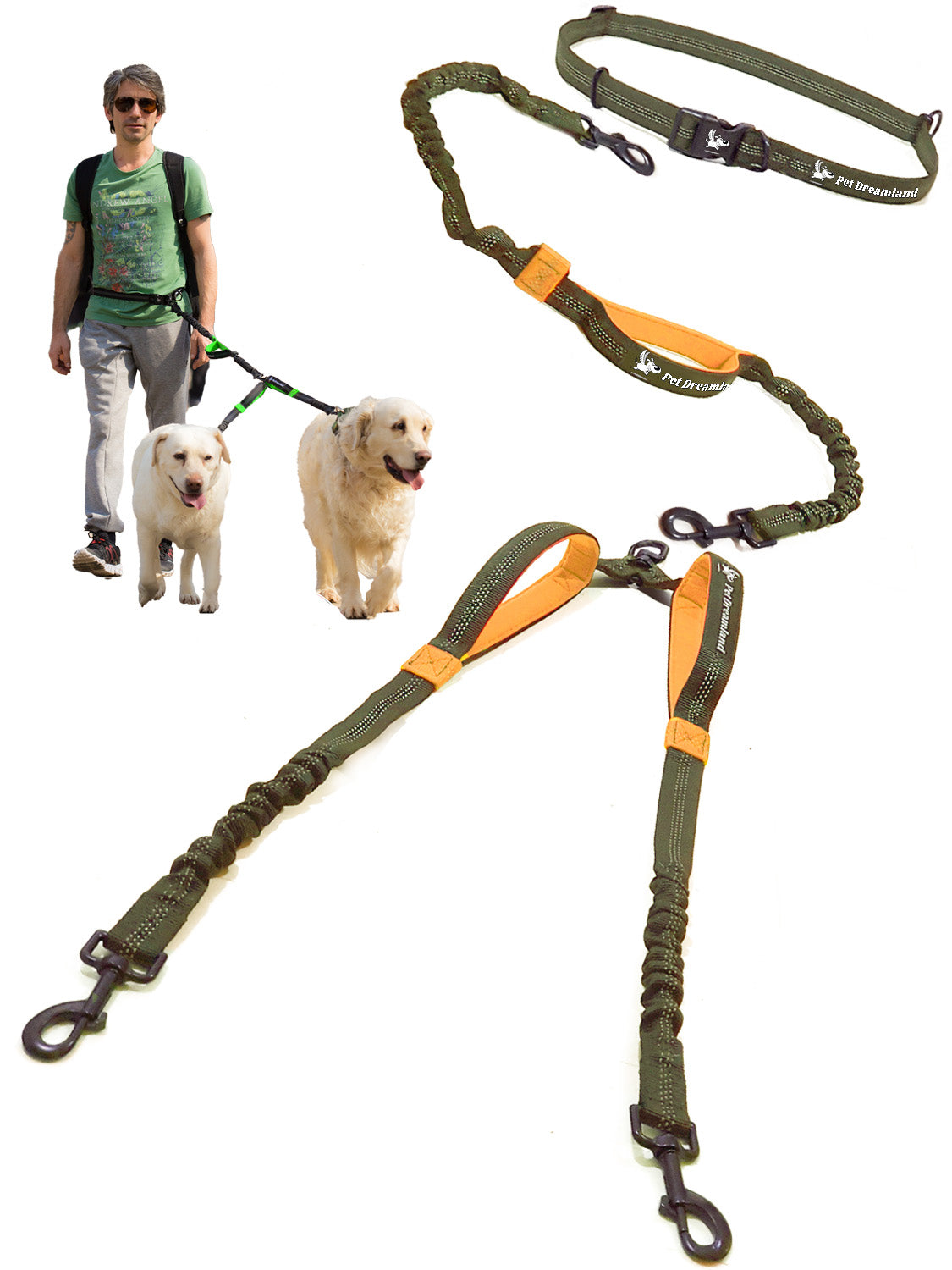
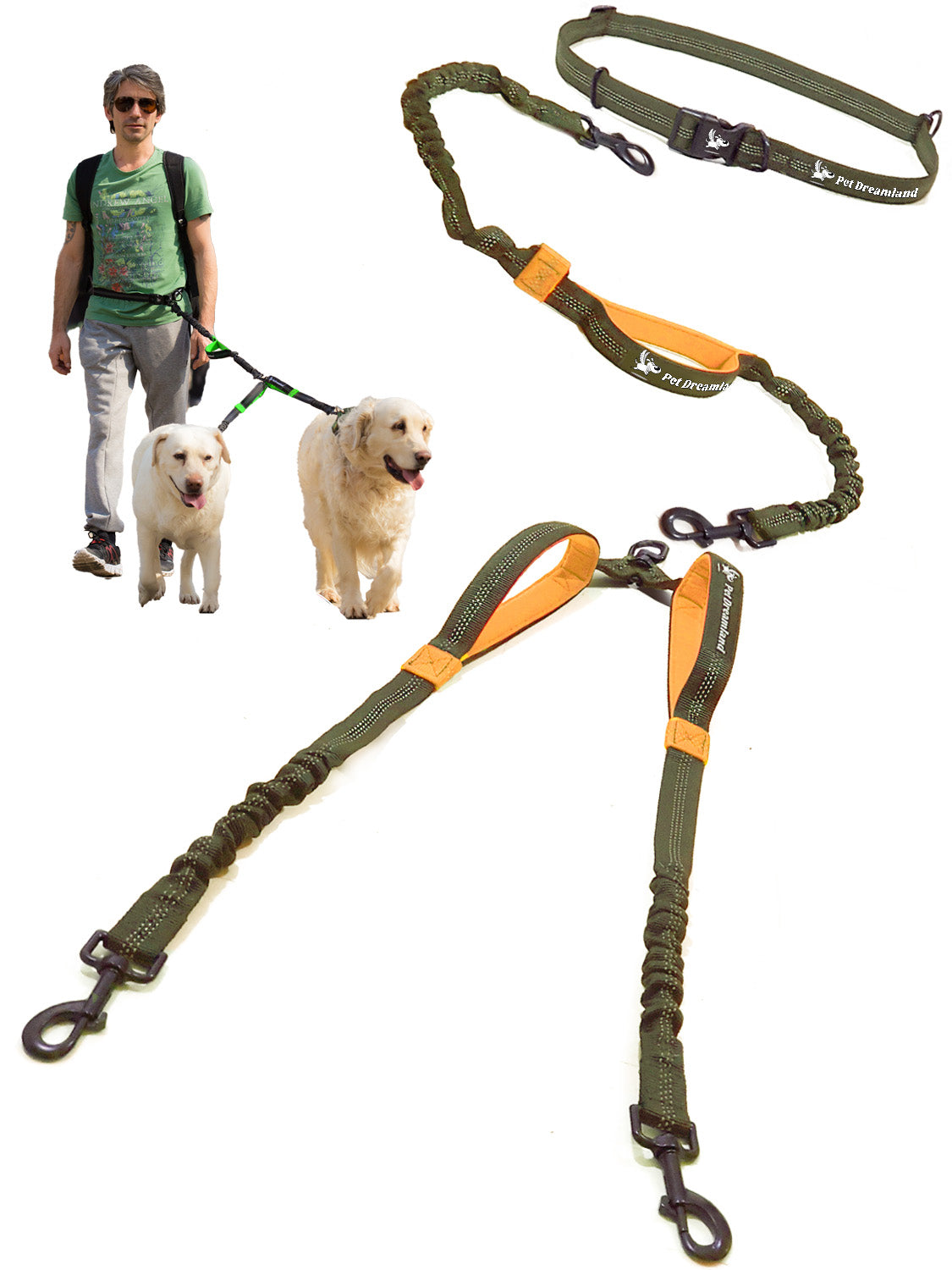
Hands Free Dog Leash
Double Leashes
Accessories
SWAG




How to choose the right dog collar for your puppy
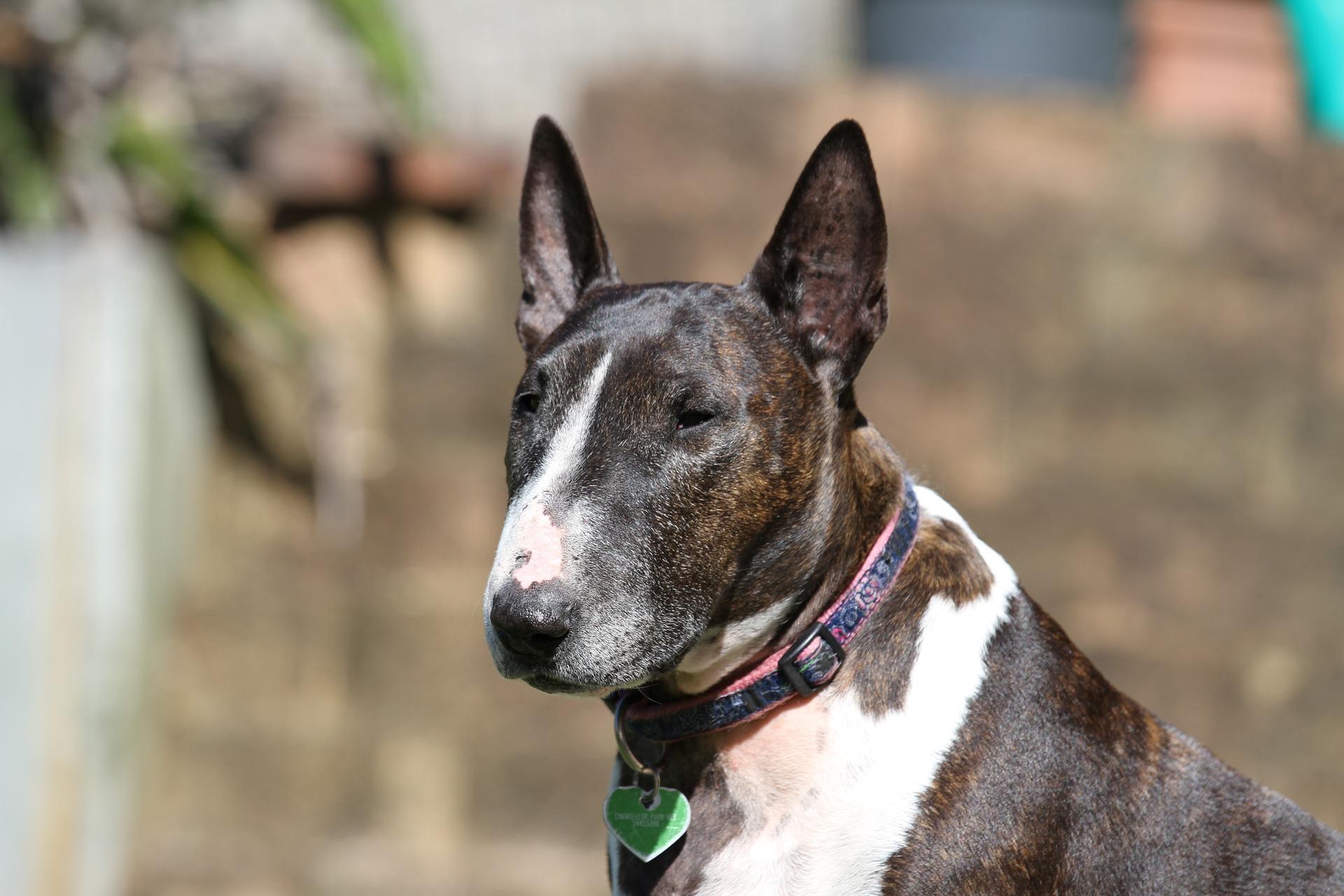
Image by Melanie Thomas from Pixabay
Everything you need to know about getting the right collar for your new best friend
There are so many different things you can buy for your dogs nowadays. There is almost an infinite supply of things you can get in shops and online.
This is great, but it can also be intimidating. Some things don't need much thought, and you can buy them on a whim or for fun.
However, a basic kit for all puppies and the right collar for the little or not so small furball is essential.
Why are collars important for puppies?
Identification
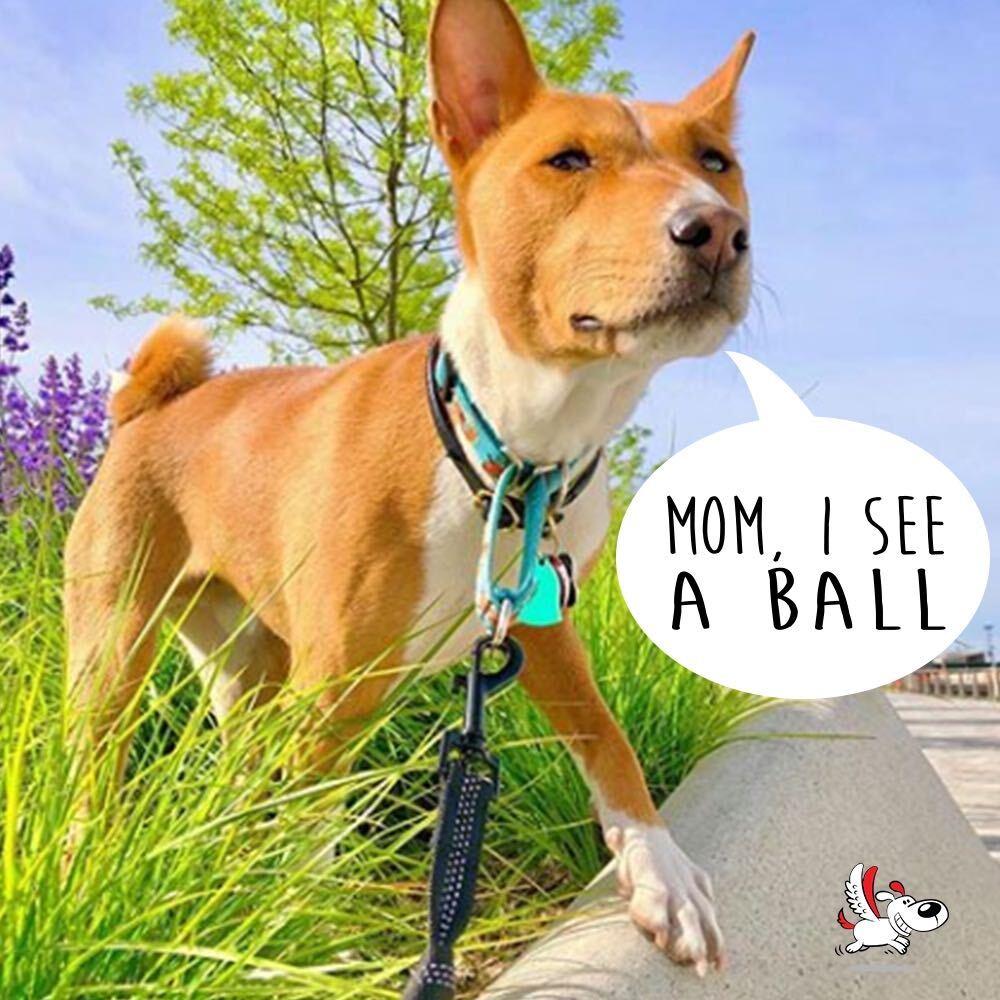
The rules on microchipping vary depending on which country you live in. But regardless of it, your doggie is chipped or not. They should have a tag on them for identification purposes, and the easiest way to do this is to have it on a collar. You should put your surname and phone number on this tag. Never put the dog's name on it, as god forbid it is stolen. You do not want the thief to know the dog's name as it will make your dog easier to manage for them.
Training
Even if the ultimate goal is to get your doggo to walk to heel off the lead. Your puppy is going to need extensive outside and housetraining. So, you will need a dog leash for this, which means you will need a dog collar also. Getting the right collar to go with the right leash is essential, and it is crucial you do your research or obtain professional advice. If you get this combination wrong, you will make training a lot harder and make it possibly unsafe. And you could risk injuring the dog and yourself.
The different collar options you have
There are so many different types, shapes, styles, and colors. Plus, let's be honest. We want our dogs to look good and be stylish. It is one of the many ways we can treat and show off our dogs. So pure vanity is a factor, but first and foremost, a collar must be practical. The function of the collar is the most critical aspect. Matching it to the color of their eyes is secondary, haha.
So here are some of the different types you may encounter:
Average Collar
These are just the standard collars, yes they come in a massive range of styles, width, lengths, and colors, but they all have the same standard features. They all have a looped material to go around the dog's neck and adjustable fastening methods like a buckle. It would help if you did not over tighten a collar, but it should not be so loose that it slips off and over the head. Most people use the rule that you should fit two fingers between the collar and the back of the dog's neck.
Conditioning Collar
These are mainly used for dog training, especially for noticeably willful dogs and hard to train. These types of collars can be useful on some dogs some of the time. But generally, they have fallen out of favor and have been replaced by more positive reinforcement styles of training. Please do your research into them and make an informed decision. Standard versions of these types of collars are Choke Chain, Prong/Pinch, and Shock Collars. It is easy to misuse these collars, and you can make walking and training a stressful time with these styles. But under the right circumstances, they could have a place, but it is unlikely that the site is for daily usage.
Head Collar
This is where the lead is attached to a collar/strap fitted around the head, usually with some form of the muzzle. This takes away leverage from the neck and places it on a more vital part of the body, aka the head. It would help if you made sure these are correctly fitted and are a sensible option for the breed you have. For example, they can be a good option for dogs with strong prey drives or fast and strong ones. For example, Greyhounds are big and strong but can also build up much speed in a very short distance. So, if they get distracted and try to run off, much force applied to the neck if they have an average collar, and injuries could quickly occur.

MORE SAFETY FOR YOUR DOGS!
This comfortable dog collar is double padded that will protect your dog's neck from irritation when being active. It's constructed from heavy-duty material for its toughness and durability.
IT'S THE PERFECT GIFT FOR DOG LOVERS
And you're covered by a 365-DAY 100% MONEY BACK GUARANTEE.
Martingale Collar
These are generally designed for dogs with relatively large necks and small heads like Whippets and Salukis, but they can be used on all dogs that try to escape from their collars. The collars are designed to sit on the widest part of the neck, but if the dog tries to back out of them, the collar naturally tightens so it can't get over their ears. They can be tricky to fit because you have to get the collar to sit correctly in natural situations. But then you have to adjust the tightening loop also, to make sure when the dog tries to back out of the collar that it tightens enough to not come over the head but isn't too tight to strangle. Once you have the adjustments correct, it is a very safe and useful style of the collar.
Specialty or Disabled Collar
You can get any collar for any reason nowadays so that I won't list them all. But a specialty collar example is a Flea Collar, where the collar emits a chemical that may help your dog pick up fewer ticks. A disabled collar example is a vibrating collar, which can be used on deaf dogs as you can use the vibrations to train your dog or get its attention.
CHOOSE PET DREAMLAND LEASHES
FOR A 100% LIFETIME WARRANTY

Hands Free Dog Leash for TWO Large Dogs

Hands Free Dog Leash

Hands Free Dog Leash with One Padded Handle for One Small to Medium Dog
To choose the perfect collar does require some research or taking notice of professional advice, but it mainly comes down to the breed and the lifestyle you give it.
If you like running with your dog, you will need a collar that fits well with a hands-free dog leash. If you have a small dog that you walk around a city's streets, then just a nice-looking average collar will likely suffice.
Don't just think you have to have one type; you could have a range of classes for different occasions, and a style that suits your dog as a puppy may not work for them as an adult. So, make sensible decisions based on your current circumstances.