
SHOP
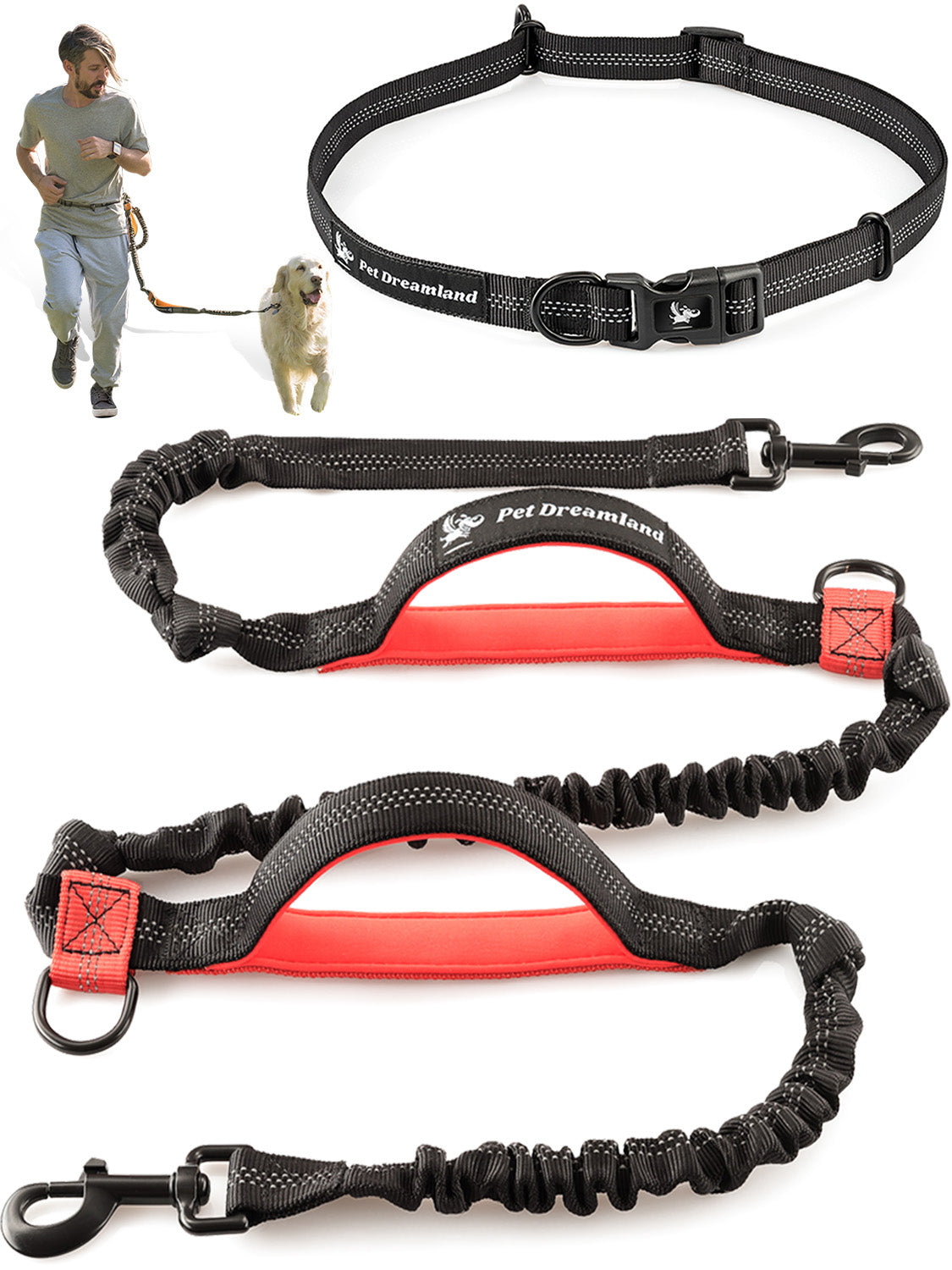
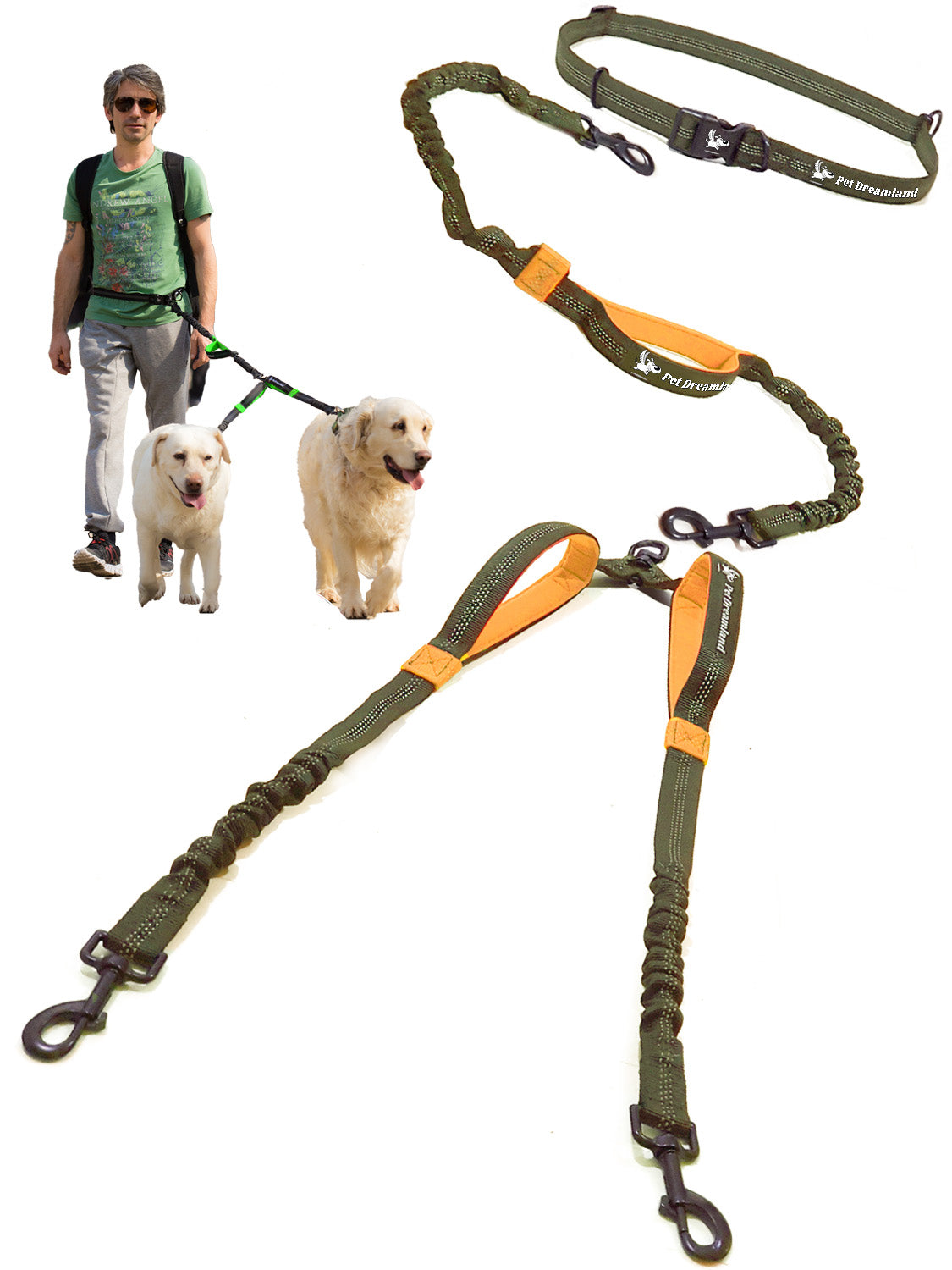
Hands Free Dog Leash
Double Leashes
Accessories
SWAG




Doggie Dynamics: Potty Training Your Pooch
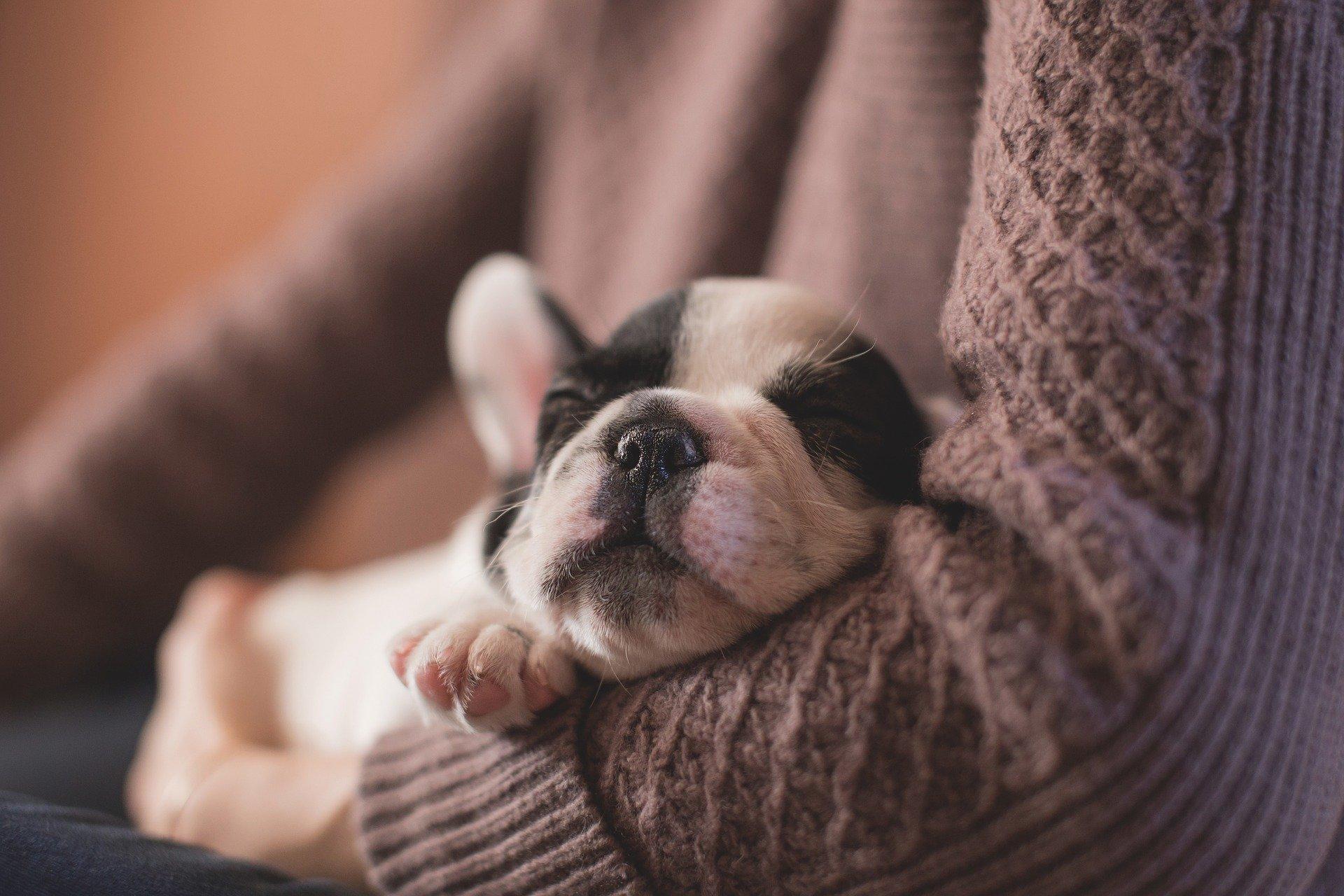
Are you worried about housetraining your new puppy?
What if there was a hassle-free way for you to get your fur baby trained in weeks, not months?
Getting a new puppy is one of the most remarkable things that you can do. You are bringing a new wonder into your life. Dogs are the most loving pets you can get. You are going to have years of fun and unconditional love that goes both ways.
Getting a puppy is magical, but you have to be responsible because a puppy is a baby. So you have a responsibility to teach the baby dog everything it needs to know like you would a child.
Don't worry… it can be a bit stressful, but it is worth it, and you will have loads of fun along the way.
But let's be real, you are going to have to clean up a bit of urine and feces. Urgh, I hate those words, let's use wee and poop it's much cuter.
For hassle, free fur baby potty training (no potties will be harmed in this article), here are your….
Fur Baby Top Tips
Early Bird catches the Worm.
All the leading experts in raising a new dog agree on one thing. Start straight away if you can. The quicker you establish a training plan, the better. It is better for you and the dog if you build hygiene rules from the start. It would generally help if you were starting at the 12 to 16 weeks range, depending on when it has left its mother.
Patience is a virtue.
Remember, though, they are just tiny balls of fur and need lots of love, patience, and attention. Don't be a grumpy parent. You chose to get a puppy, so don't be hard on the little one if it decides your new rug is a perfect spot for a tinkle.
Have a plan
Accidents will happen, and they ARE accidents… but the goal is to get your little fur prince or princess to go to the toilet outside. Ideally, pick a nice safe "potty" spot in your garden or yard, until your pooch can roam free with you on excellent sniff walks.
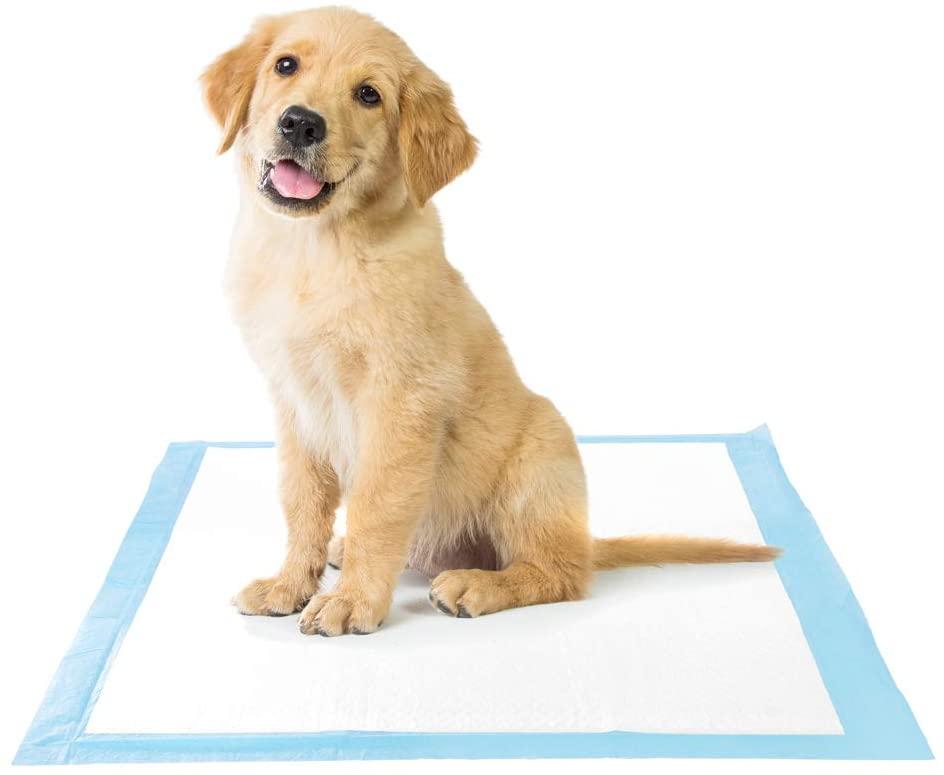
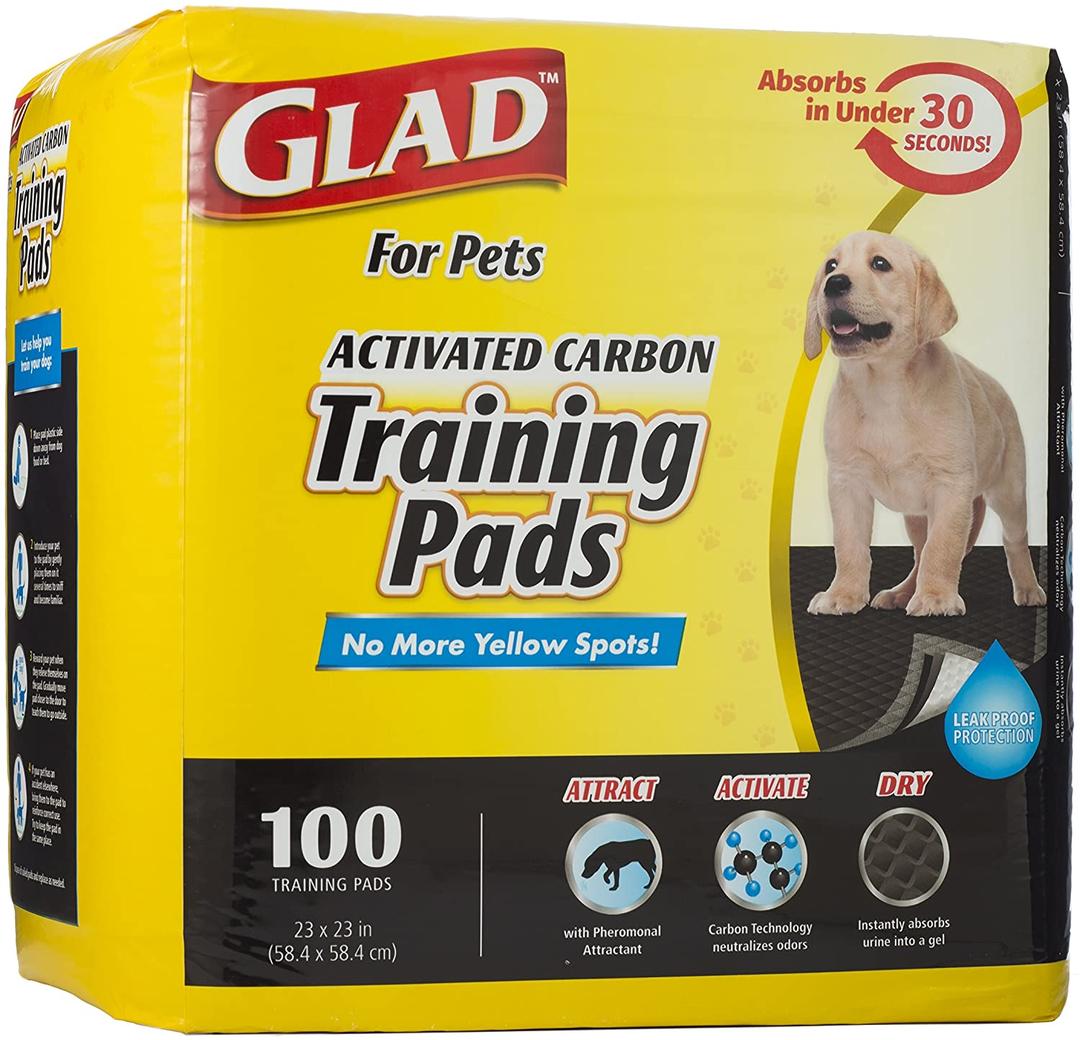
Here are our recommendations for dog pee pads.
Baby Talk
Pick a couple of simple words for toilet time, like wee wee and poo poo. This is what you will say to them when they have done a wee or a poop in the right place. It will become a command also when you want them to go and do their business. Like when you let them out just before bedtime. Say the words friendly and cheerfully. You are not a drill sergeant.
Well done puppy
When the pup wees or poops in the right place, especially after a given command, praise the pooch, give it lots of attention, and go overboard with happiness and affection. Rub its belly, scratch its ear, play ball, or squeeze it. Whatever the dog likes you doing to it, please do it. You can also reinforce these good behaviors with other training aids like Clickers, Whistles, and of course, yummy treats.
Whoopsie
Accidents will happen, just like with human babies, but doggies don't have the luxury of having a nappy. Ideally, you will be there when the cheeky monkey goes to the toilet, in likely the most inconvenient places. Quickly and most importantly, CALMLY: lead them to the correct spot and repeat the commands.
Time is of the essence.
If they have an accident and you are not there, then basically tough. You have missed an opportunity to teach and train. They will not understand if you shout at them or rub their noses in it long after the accident. You will only likely achieve making them anxious, stressed, and unhappy. That's not cool. It would help if you were building positive bonds with your dog. There should be no reason to use punishments and fear as training.
Cleaning
This is an important thing to do for hygiene, for the dogs and humans. However, it is especially essential for the dog's training. Dogs have super snouts compared to people. Simply wiping and removing with not be effective. The dogs will smell they have been there before, and they will be more likely to go there again. So use a good dog disinfectant, which cleans but also gets rid of the smell.
Little and often
Depending on the size of a fully grown dog dramatically affects how long you can safely leave them. However, most pups cannot be left too long. They are growing, so that means everything is growing. So they are going to have smaller bladders as pups, bless them. So the more often you take them to their potty paradise, the better. It decreases the chances of accidents in the wrong places, and the repetition increases the likelihood of them going in the right spot. They will, therefore, learn much quicker, and everyone will be much happier. You might need to take them out as often as every 30 minutes to start with. As they grow, larger dogs, in general, have a slower metabolism and larger bladders so that they can be left longer.
Food helps and hinders
For growing puppies, it is useful to feed them more often than an adult dog. This is also going to result in more bathroom breaks. Especially if the food makes them drink more water, if you are feeding a puppy four times a day, you may notice that 2 hours later, they need the toilet. So by giving them a regular food schedule, you are helping them develop a regular toilet schedule. Everyone wins.
They talk to you
Every dog is different, and they will have their personalities. They will start telling you when they need to go out. It is up to you to learn what they are "saying." As they are trying to train, you also remember. I have had dogs that, when they need the toilet, they will bark right in your face, some will get fidgety and pace around, some will stare at the door, some will cry, some will whimper, and some may scratch. The quicker you pick up on these TELLS, the fewer accidents there will be.
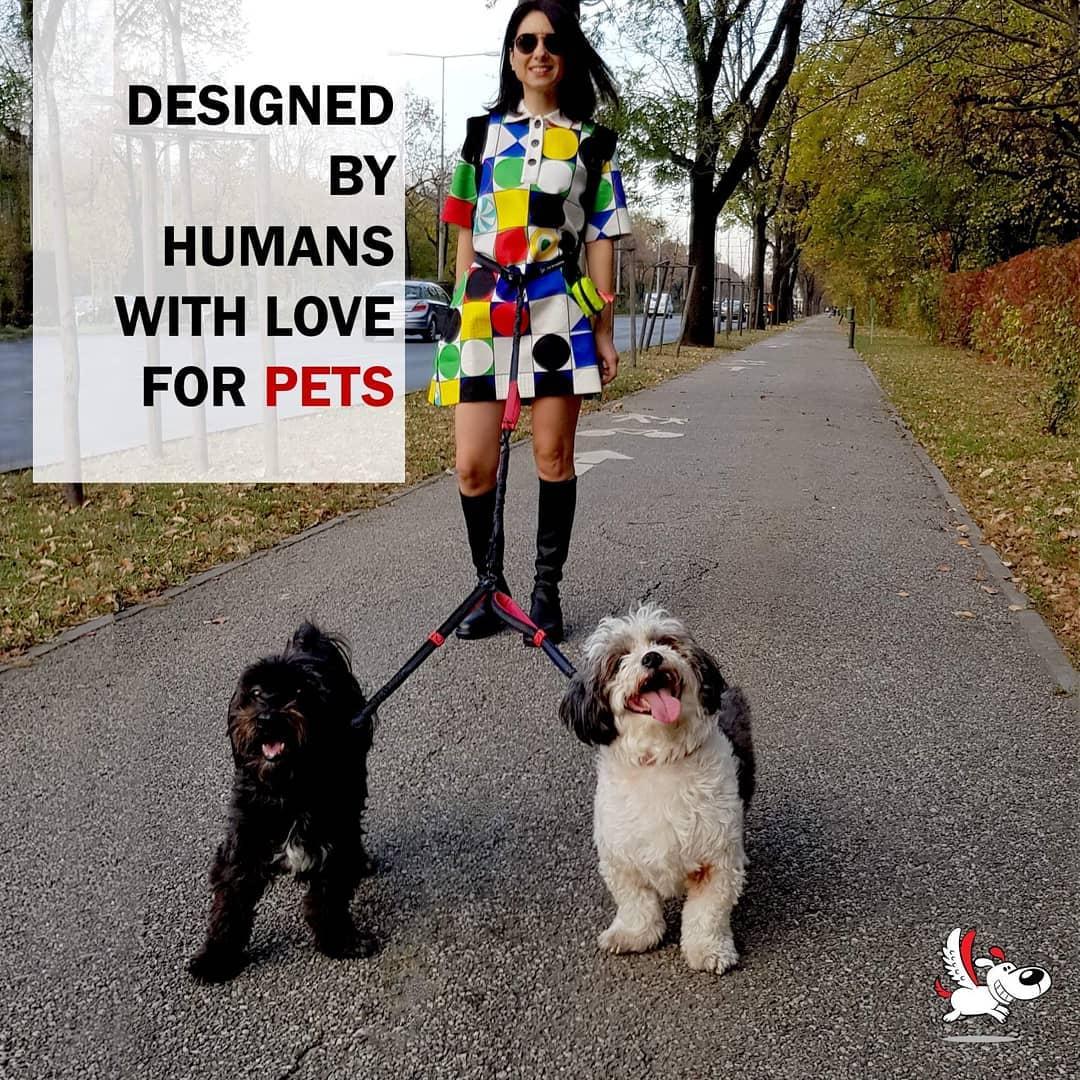
CHOOSE PET DREAMLAND LEASHES
FOR A 100% LIFETIME WARRANTY

Hands Free Dog Leash

Hands Free Leash for TWO Large Dogs
All dogs are different. A rough timescale for housetraining is 4 to 6 months, but it can vary greatly, just like children learn at different rates. Also, like children, some dogs will respond better to some training methods than others. Some may know better with a clicker; some may only respond to treats.
So the best advice is to be consistent with whatever training you choose, but do not be afraid to adapt if it isn't working.
If the dog is not responding at all, this is rare. You may need a professional trainer, or a veterinarian may be required to make sure there isn't an underlying health issue.
Most of all, having a puppy could be the best years of your life, and there's. So have fun, enjoy it, and be patient with them.