SHOP
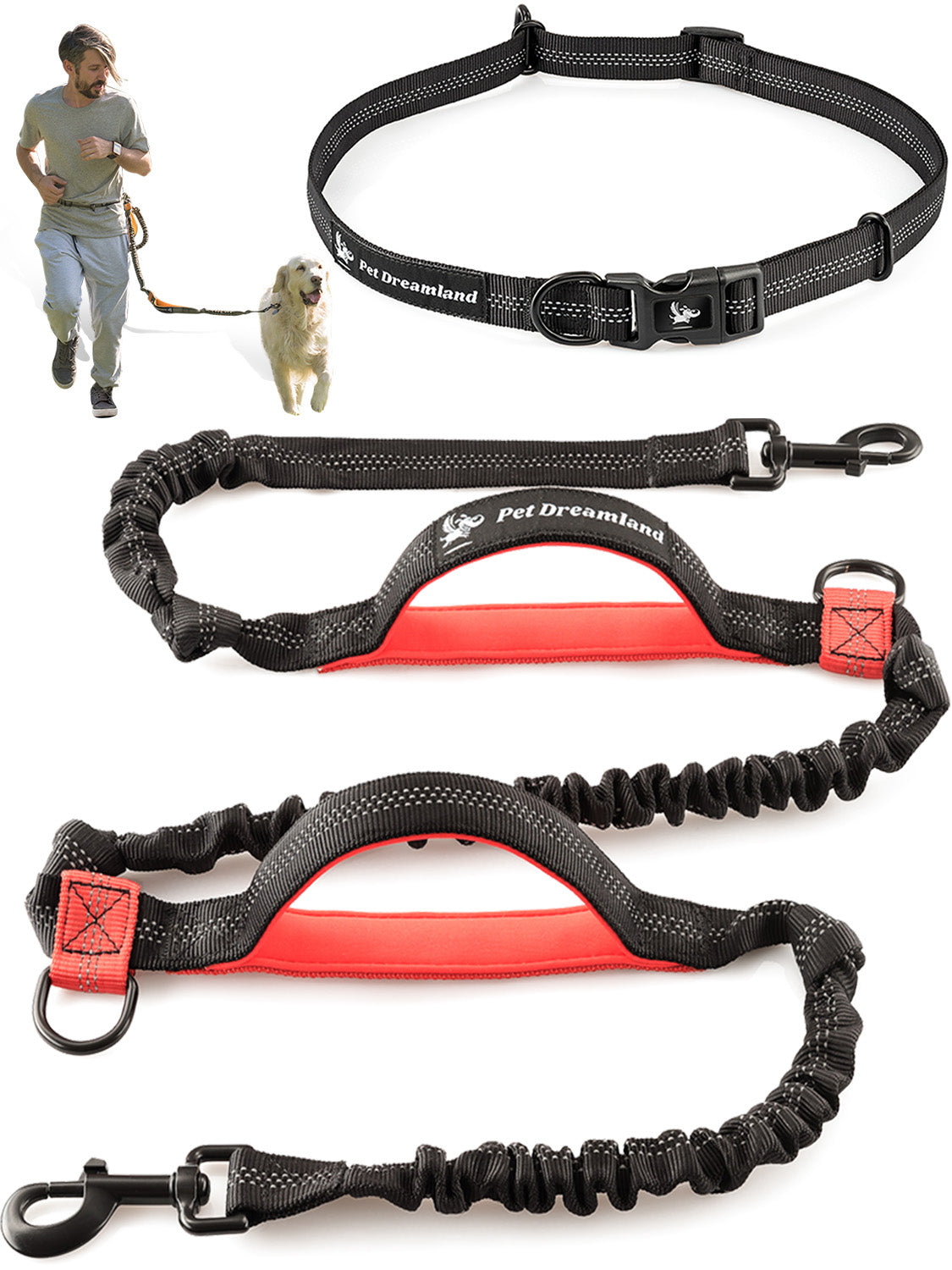
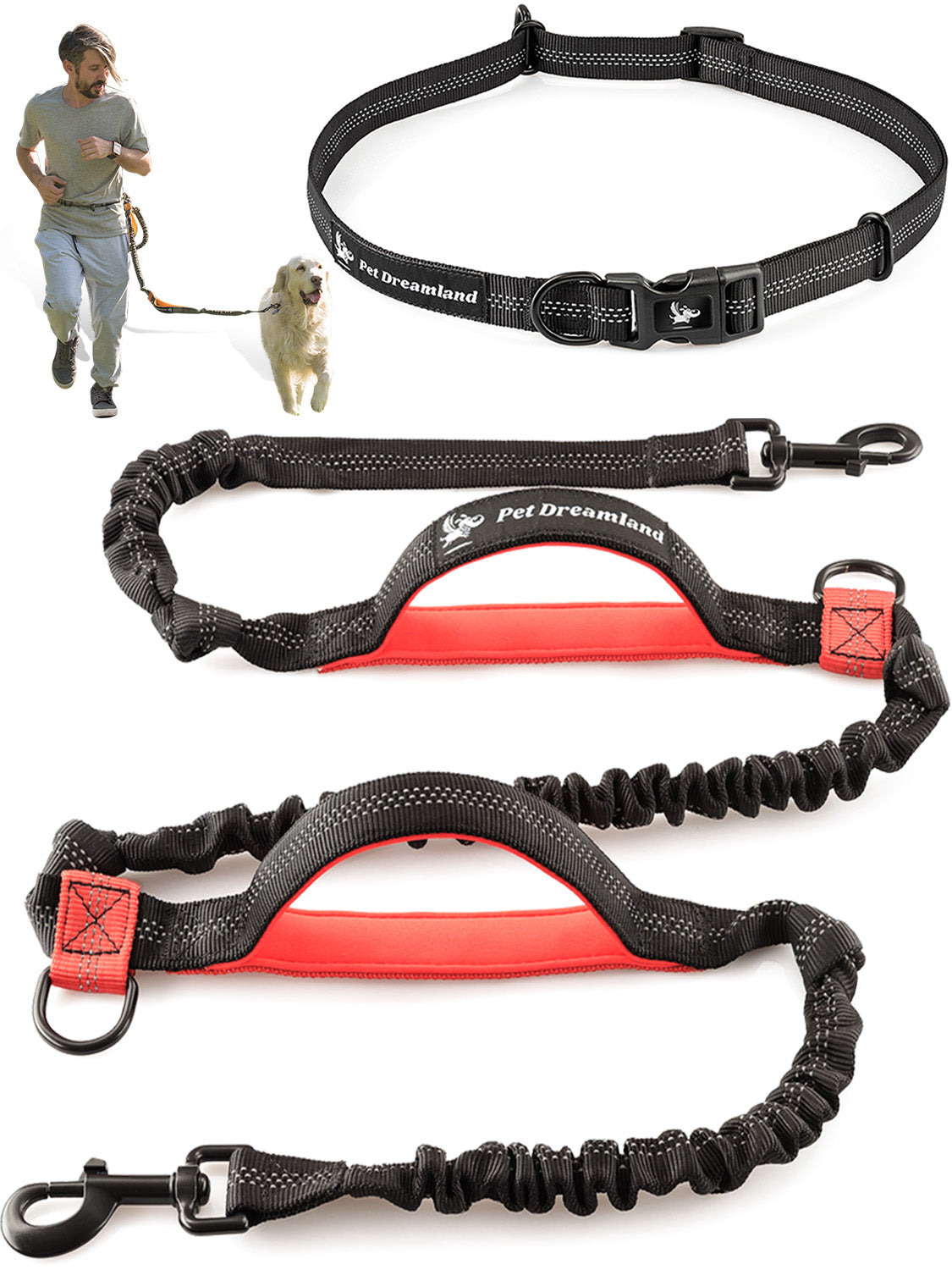


Hands Free Dog Leash
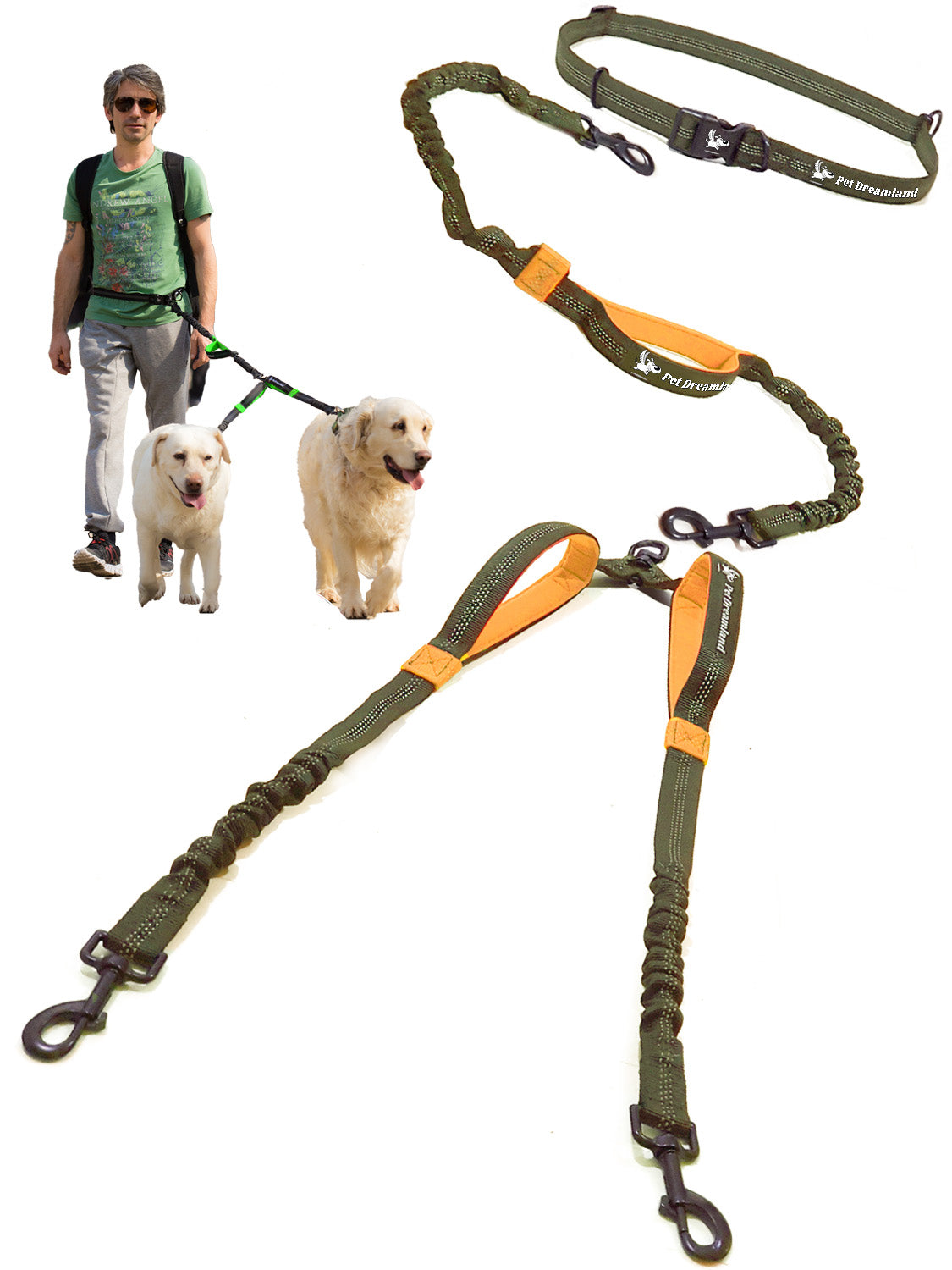
Double Leashes
Accessories
SWAG



Dental Care For Dogs

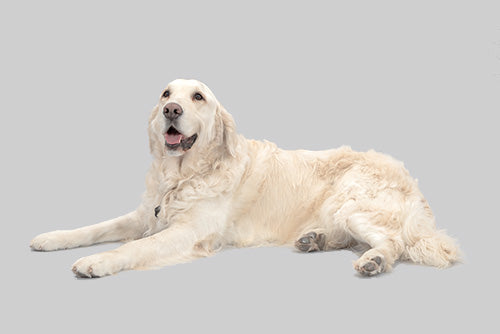
Image by PublicDomainPictures from Pixabay
Are you worried about your dog's yellow teeth and bleeding gums?
You should be!
But there are simple steps you can take to give your pooch a beautiful white smile.
You brush your teeth multiple times a day, don't you? If you have kids, I bet you are always checking if they have brushed theirs properly. But sometimes our doggies get away scot-free.
Yet your pet dog can suffer from all the dental problems humans can, like plaque, gum diseases, inflammation, bleeding, and the dreaded dog's breath.
Breed
While all doggo's can suffer from dental issues, some breeds are more prone to specific problems than others. For example:
- Collies can suffer from overbites and uneven wear and tear.
- Pugs are prone to gum disease and malocclusion.
- Poodles are susceptible to snaggle teeth.
- Dachshunds are more likely to get periodontal pockets.
- Great Danes can often get gingival hyperplasia.
While some dental issues require veterinary intervention, it is your responsibility to have an effective dental care routine in place for whatever breed of dog you have.
Let's have a look at the types of things you can do to help your dog's dental health.
General health
Firstly, what to ensure your dog is fit and healthy in general. You should control the number of main meals and snacks it gets to maintain a healthy weight. It would help if you also gave it adequate exercise and mental stimulation. An unhealthy lifestyle will make it more likely for dental problems to arise.

Main meals
Having a nutritious diet is very important. The growth, repair, and maintenance of teeth health require a wide range of amino acids (protein), vitamins, and minerals. So you need to feed your dog with as high a quality of food as you can afford, ensuring you give the dog all the building blocks it needs to have a fit and healthy mouth.
There are potential advantages and disadvantages to any food you give them, whether wet, dry, or raw. For example, dry may be better than wet because the dried kibble has been shown to break off the teeth' plaque. However, raw has been shown to result in less build-up of plaque. Meaning you wouldn't need the dry food to break off the plaque in the first place.
Whatever method you choose, make sure you make an informed choice, which is in your best friend's best interests. Logically the Raw Food Prey Diet would be the diet that suited most dogs most of the time. As it is the diet that most closely represents the types of food dogs evolved on.
Snacks
You know if you always drank Coca-Cola, or ate lots of cake and sugary snacks, that you might run into some dental problems.
It is the same with your dogs. We love to treat our dogs because they bring so much joy to our lives, but it isn't joyous for them to have painful gums and rotten teeth.
So, choose treats that are not filled with junk, select treats that are tasty but have nutritional benefits. Dried meat and fish are great options.
General health, main meals, and snacks are the three external things you can do to help your furball in general.
Now let's have a look at some of the more dental-specific things you can do:
Toothbrush
Just like with humans, brushing your teeth helps prevent plaque build-up and gum disease. Do not use human toothbrushes; instead, buy dog-specific toothbrushes. These are designed to best suit the shape of a dog's mouth and teeth. For example, they will often have a smaller head and softer brushes than human toothbrushes.
Toothpaste
Make sure you only use dog-specific toothpaste and never use human toothpaste as it can contain ingredients that may be potentially harmful to dogs. You will find that they are in neutral flavors or flavors that mimic meat like poultry. Humans may be used to mint flavors, but dogs sure won't be.
Training
Using a toothbrush and toothpaste is very important for your pet's dental health. Just remember, it is not a natural thing for a dog to be comfortable with. Getting a brush with some goop on it stuffed into their mouth isn't something they will think is fun.
Therefore, some training will be required, and they need to learn that it is not scary, and it will not hurt them. Like with any good training plan, start small and slow, and progress the training with consistency and patience.
For example, the first day, you might just let them sniff the toothbrush and see if they will lick a bit of the toothpaste off your finger.
Here are our recommendations for dog teeth cleaning.
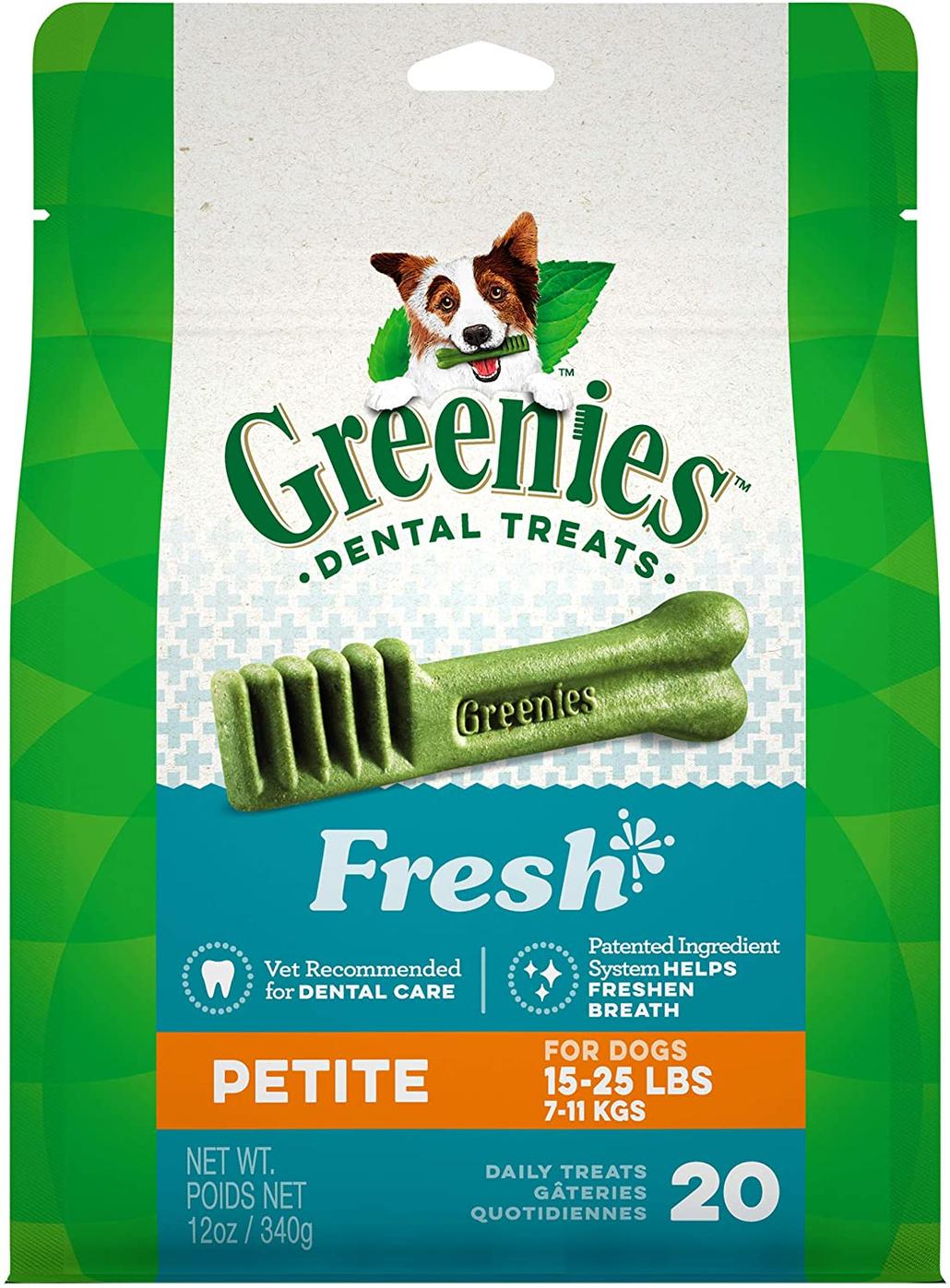
GREENIES Fresh Natural Dental Dog Treats
The unique texture of GREENIES Dog Chews cleans down to the gumline to fight plaque and tartar and freshen bad dog breath
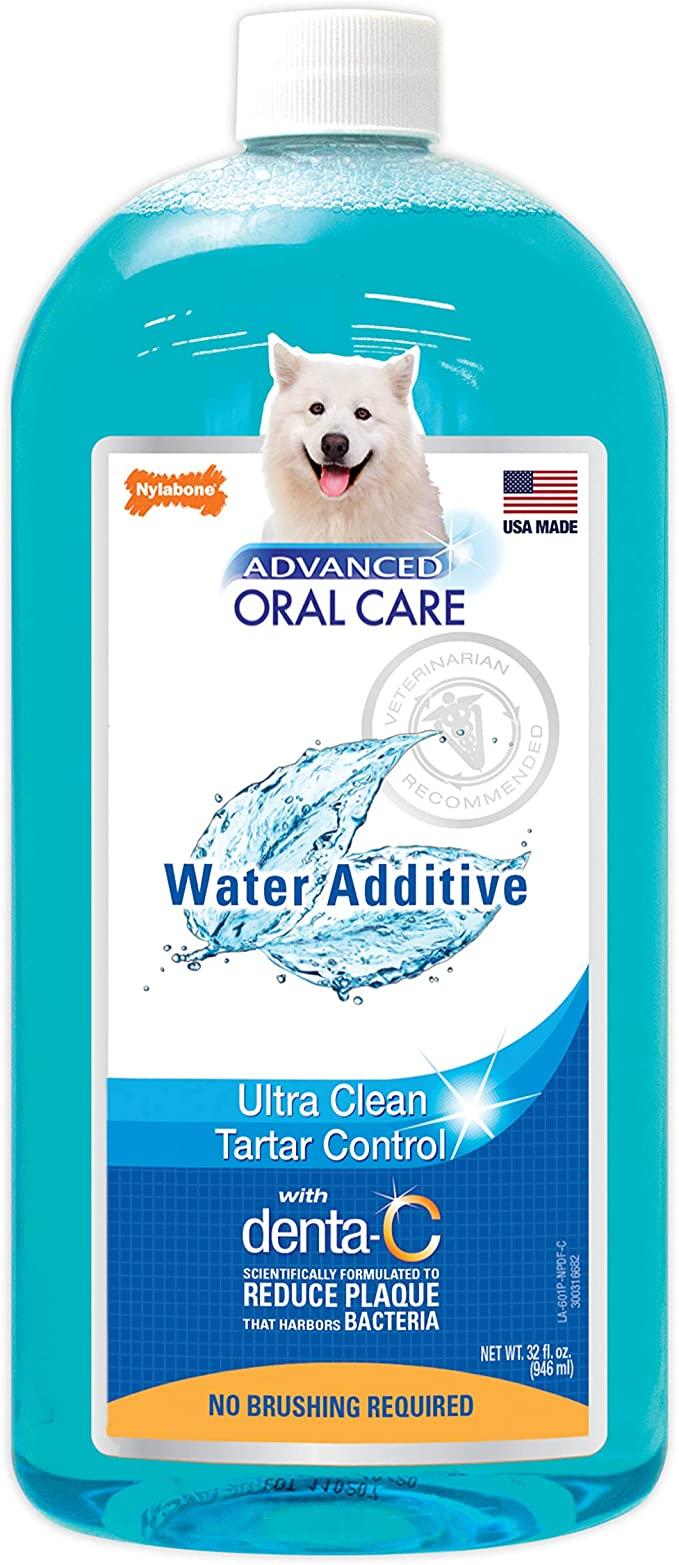
Nylabone Advanced Oral Care Natural Tartar Remover
Denta-C formula is scientifically proven to help reduce plaque that harbors bacteria
Vet-recommended dog tartar control water additive supplements regular brushing
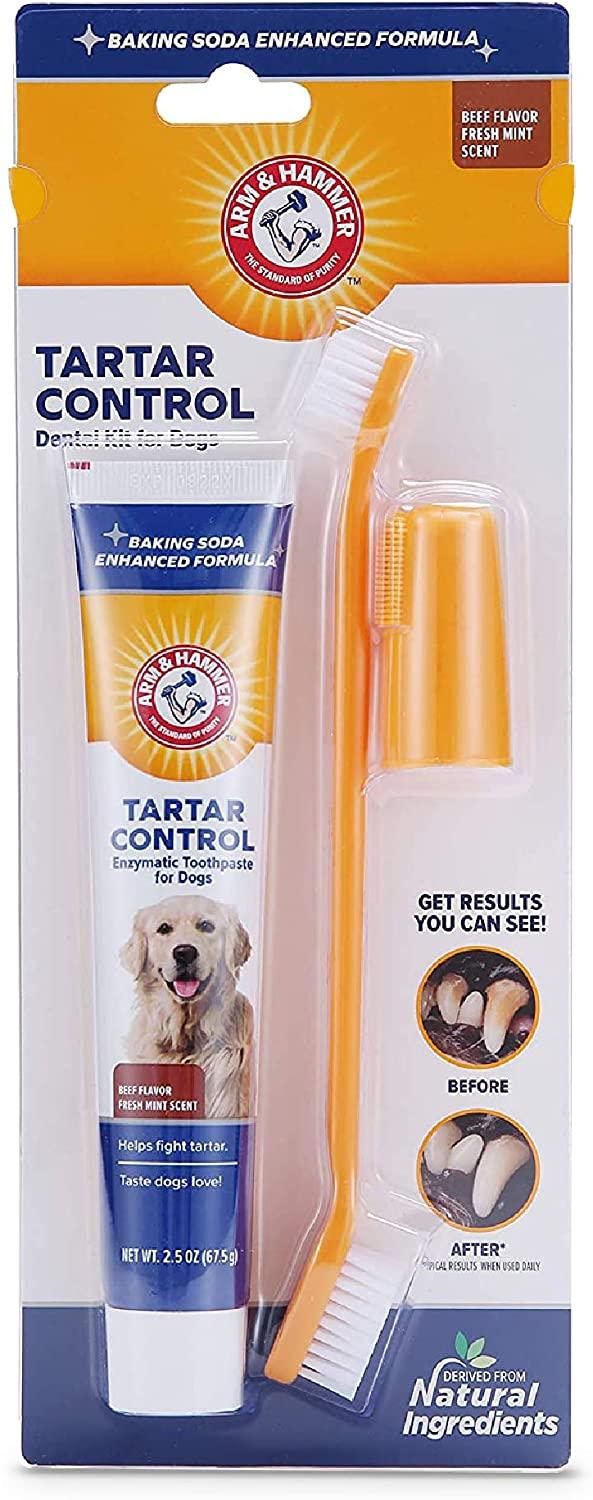
Arm & Hammer Dog Dental Care
PROMOTES HEALTHY GUMS — Dog dental kit is gentle yet effective in reducing tartar buildup, eliminating dog's bad breath, and whitening and brightening your dog's teeth
Dental Chews
These can be used instead of a toothbrush and toothpaste, but they will ideally be used in conjunction with these things. Dog chews can be a useful tool, but they should be used in a well-rounded dental care routine and not the only thing you do. They are designed to prevent tartar build-up, which will help keep the mouth healthy.
As with any chew, treat, or food in general, you must make sure it is healthy for your dog and made from high-quality ingredients. It isn't sensible to give them a chew that is good for their teeth and makes them fat and unhealthy in general.
Liquid Tartare Remover
You can also buy products to add to your dog's water bowl, which helps breakdown tartar. A dog version of mouthwash. This is an easy way to boost your dog's oral health regime, presuming they will still like the taste of the water.
CHOOSE PET DREAMLAND LEASHES
FOR A 100% LIFETIME WARRANTY

Hands Free Leash for One Small to Medium Dog

Hands Free Dog Leash for TWO Small to Medium Dogs
Some dogs, just like humans, have more trouble with their teeth than others, even within the same breed.
As the owner, you have a responsibility to help your dog have the best dental health possible. If you have a dog that has many dental hygiene issues, you will have to spend more time and money on helping them, than you may be used to.
Remember, just like with humans; poor oral health can often be an indicator of poor health in general. So do not let things get out of hand and maintain a regular dental hygiene program with your beloved pooch.
You won't regret it.