
Travel and Holidays with Your Puppy
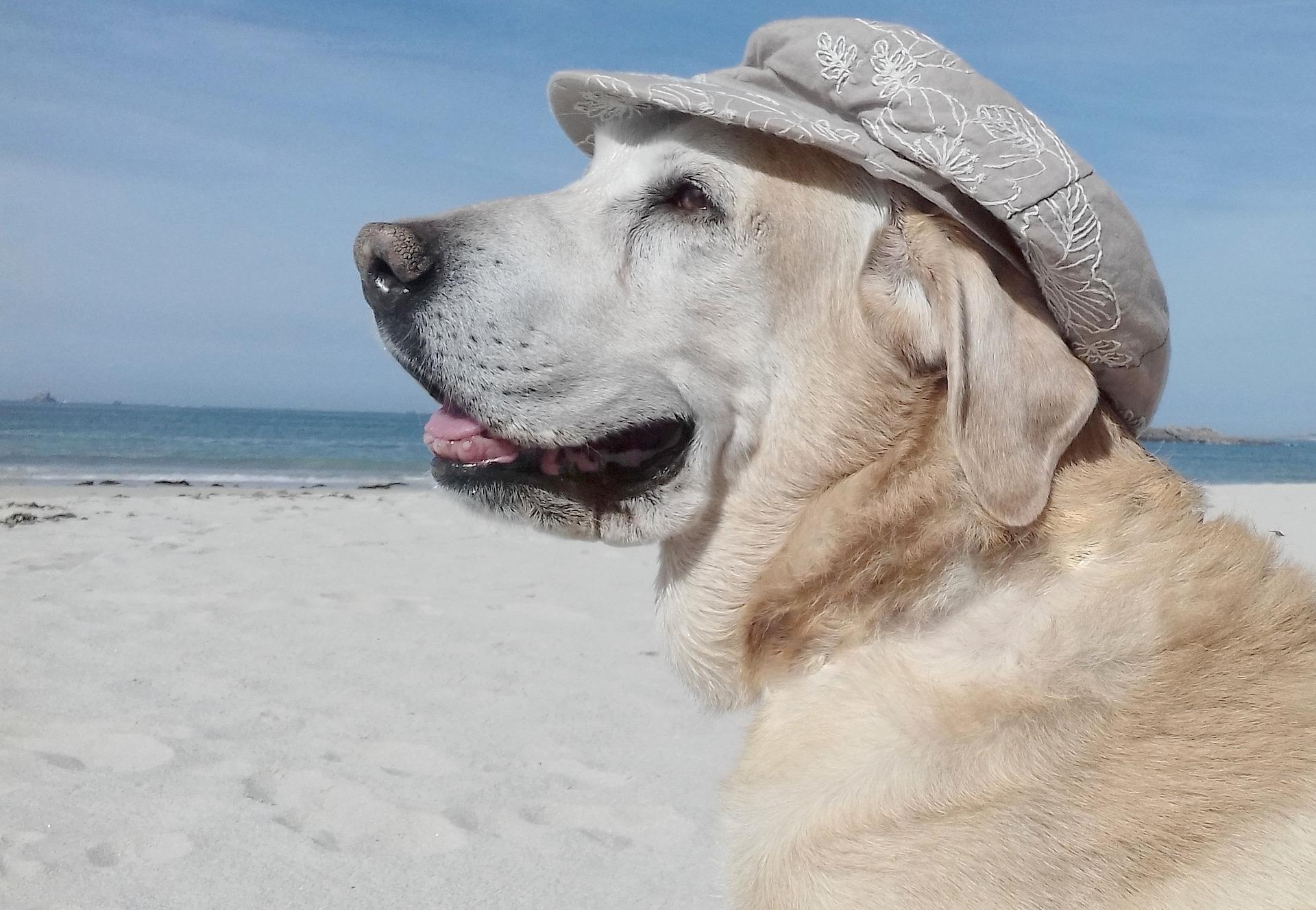
Tips for taking your dogs on holiday
Before you get a new puppy, many people worry that it will be a significant change, and they will never be able to go on an all-inclusive beach holiday again. What they don’t realize is that they will not want to go on holiday without their new four-legged family member.
So, you will be able to go on holiday, but the types of holidays you go on might change.
How to plan a pet-friendly holiday
Booking a holiday with a puppy might be a little more complicated, but it is worth it. Here are some things to consider:
Speak to your Vet
Ask your Vet for advice on if the puppy is old enough to go on a holiday, and if it is, what kinds of travel it could do. For example, it might be old enough to go on a road trip, but the Vet might advise against going on a plane. You should also get a number for a vet local to the place you are staying in case of an emergency.
Vaccinations and Laws
You need to make sure your puppy is fully Vaccinated and has the relevant Worms & Tick protocol. There may also be specific vaccinations your puppy will need for certain destinations. On top of this, your puppy may need a passport or detailed documentation to travel to certain places. You will need to make sure all these things are sorted before you travel.
Pet friendly
Whether you are booking a hotel, cottage, or campsite, you will need to make sure it is Pet Friendly and check what “pet friendly” means as it can differ from place to place. Many areas are open to having dogs, and it is easy to search for nowadays. Most accommodation search sites will have an option where you can filter by Pets Allowed.
Checklist
You might find that your puppy will need more stuff than you do. They will need crates, bedding, toys, leashes, harnesses, collars, coats, towels, bowls, food, and treats. You don’t necessarily need enough food for them for the whole trip, but if you are not taking enough food with you, you will need to know where you can buy dog food beforehand.
Pre-trip routine
You probably need to be more organized when factoring a puppy into a holiday. For example, before they get in your car, on a boat, or on a plane, you will need to have planned things around them. You need to know when you are traveling so that you can plan their last meal. A puppy should not be fed within 3 hours of a journey, as this will allow time to digest their food so that there is less chance of them being sick. They will also need to have been given a good walk beforehand. The long journey, the better the hike they should have. This will make them tired so that they are more likely to sleep on the trip, and it will give them a chance to go to the toilet.
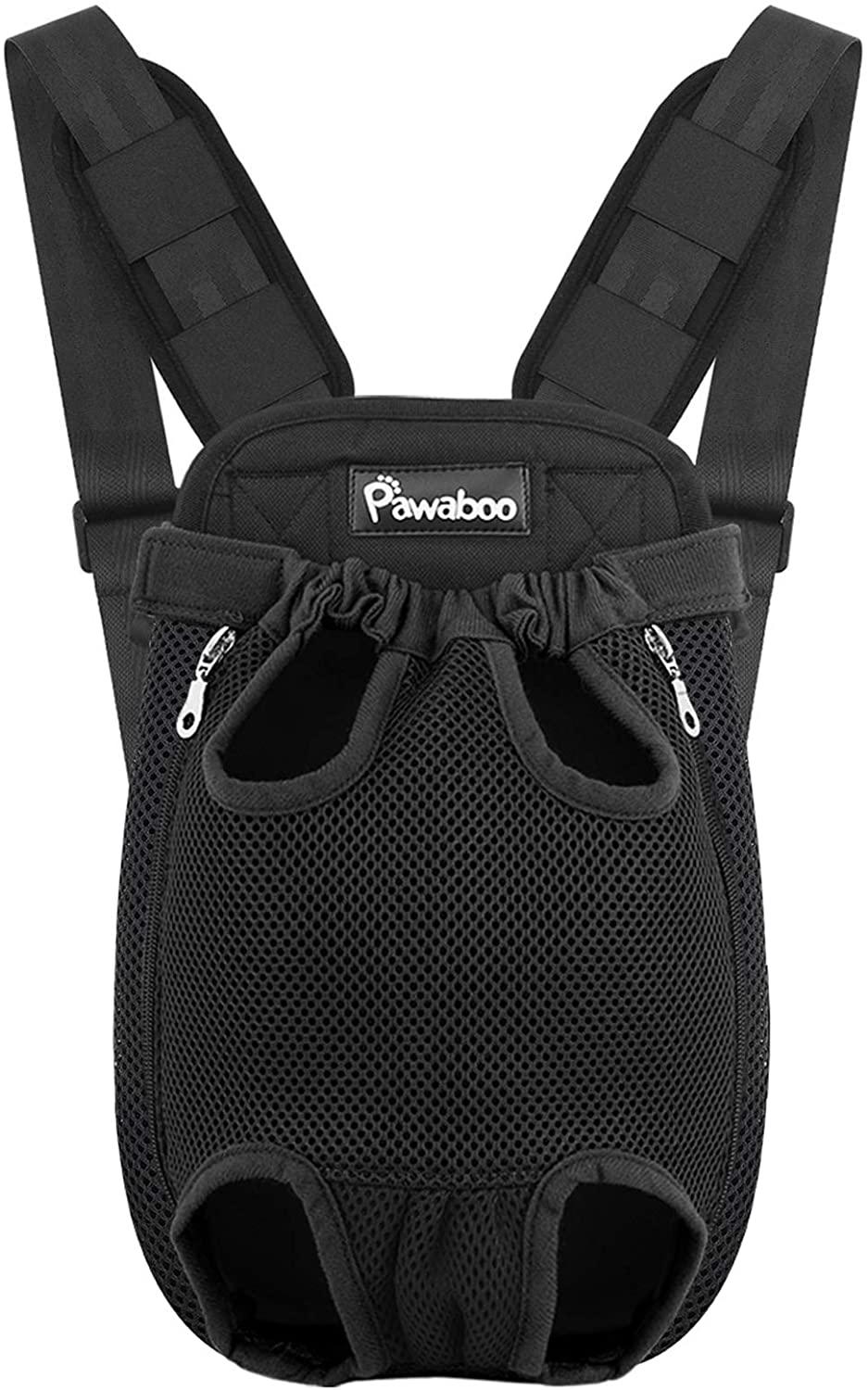
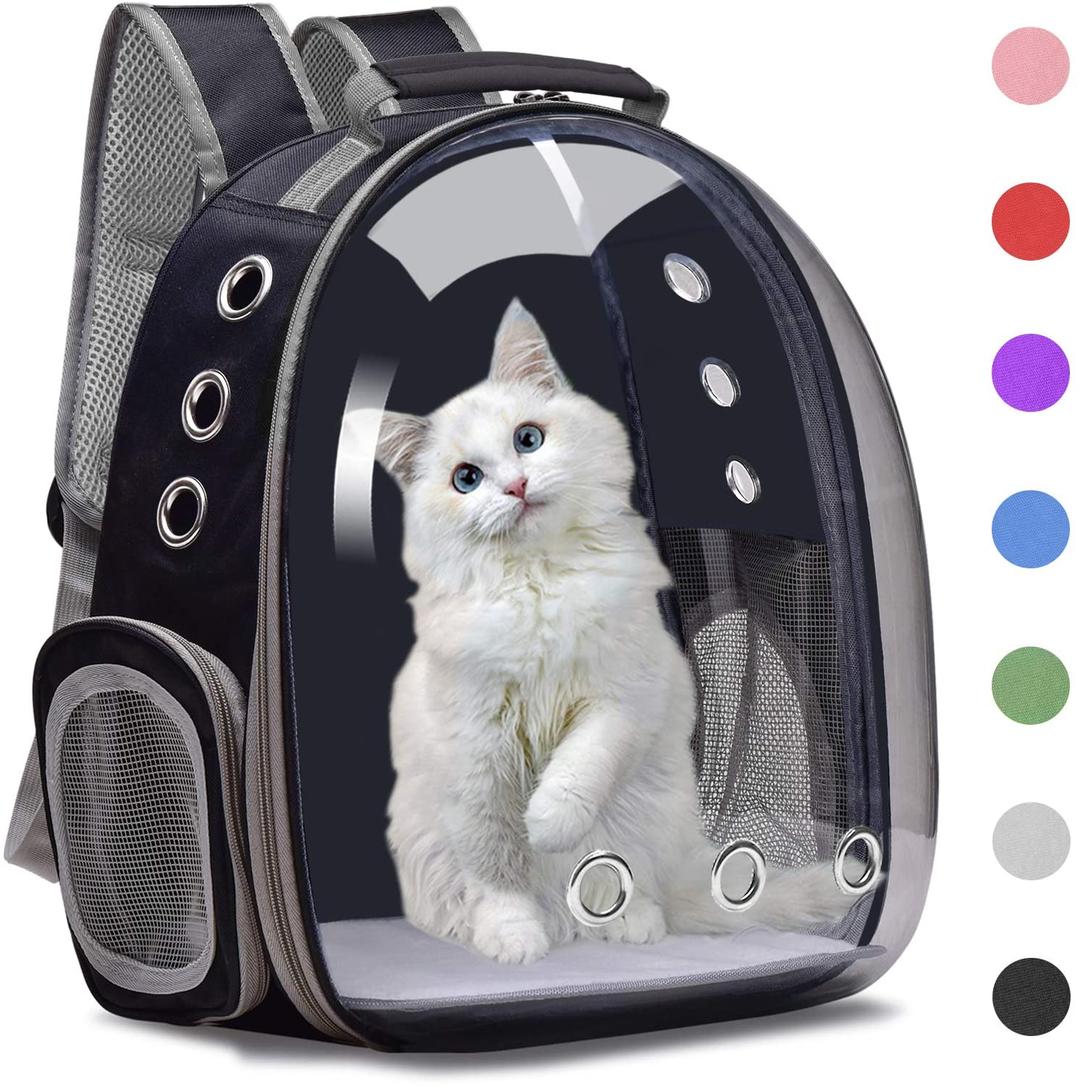
HERE ARE OUR RECOMMENDATIONS FOR DOG CARRIER BACKPACKS
Off-peak
It is best to travel outside of peak hours, regardless of the traveling. This should make it less stressful for your puppy and ensure the journey is over as quickly as possible. For example, avoid rush hour if you are traveling by car so that there is less chance of your journey time being extended because of bad traffic. Traveling off-peak is also a good idea when using public transport or planes—the fewer other people around, the better, as it will be less stressful for the dog.
Plan around your dog
Before you arrive, you should know what rules there are for your dog where you are staying, but you should also know what is around you and what dog-friendly activities you can do while you are there. For example, if you are staying in a cottage, there is are secure garden. Or, if you are staying in a hotel, is there an area where you can let your dog out for the toilet or a designated dog walk close by. The more information like this you have beforehand, the less stressful the holiday will be.
What to do if you have to leave your dogs at home
Sometimes you have a holiday pre-booked before you get a puppy, or a not-to-be-missed opportunity arises. In cases like these, you will need to think about what is best to do with the puppy while you are away:
Family & Friends
Often the best option is to leave the puppy with family or close friends. Hopefully, they have already spent time with the puppy, and the puppy will already know and like them. This will mean the puppy will be less stressed when you leave them. You will also be able to regularly call whom you have left the puppy with to make sure everything is going well, which will mean you can enjoy your holiday more.
Kennels
The other main option is to put them in a kennel. Most Kennels will take puppies of a certain age, but they may charge more because they require more attention and look after. Before you choose a kennel, try to get a recommendation from someone you trust. If not, then find as many honest reviews as possible, and finally, you should always visit the kennels before deciding to book your puppy in.
Final thoughts
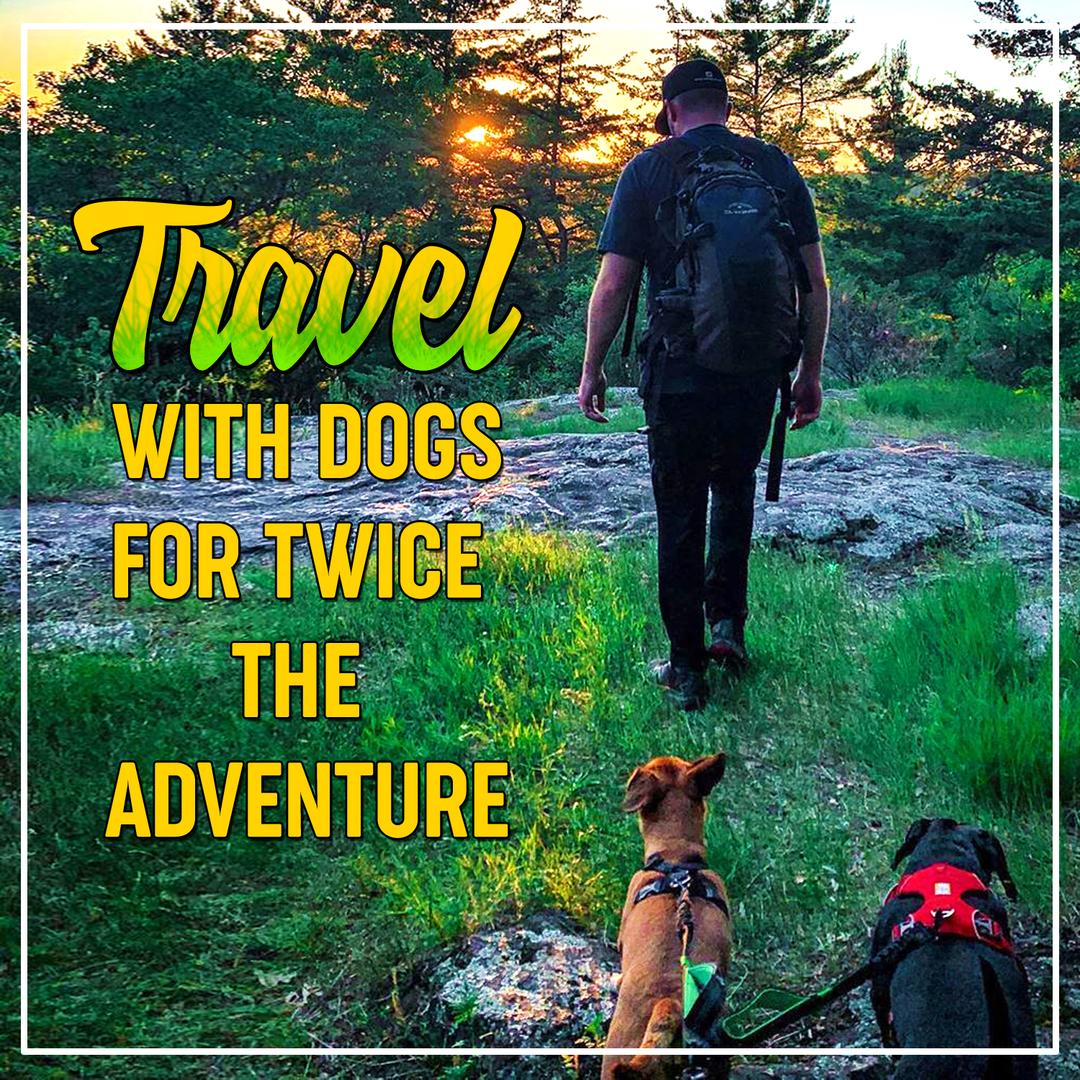
Having a puppy is a fantastic time, and they quickly become a part of the family. In my opinion, this means they should be going on the family holidays with you. Trust me. You will all have a better time if the puppy is there.
CHOOSE PET DREAMLAND LEASHES
FOR A 100% LIFETIME WARRANTY

Hands Free Dog Leash for One Large Dog

Hands Free Dog Leash for One Large Dog (Short Version)
For all general inquiries, please contact us at customer@petdreamland.com