
Checkups for Dogs
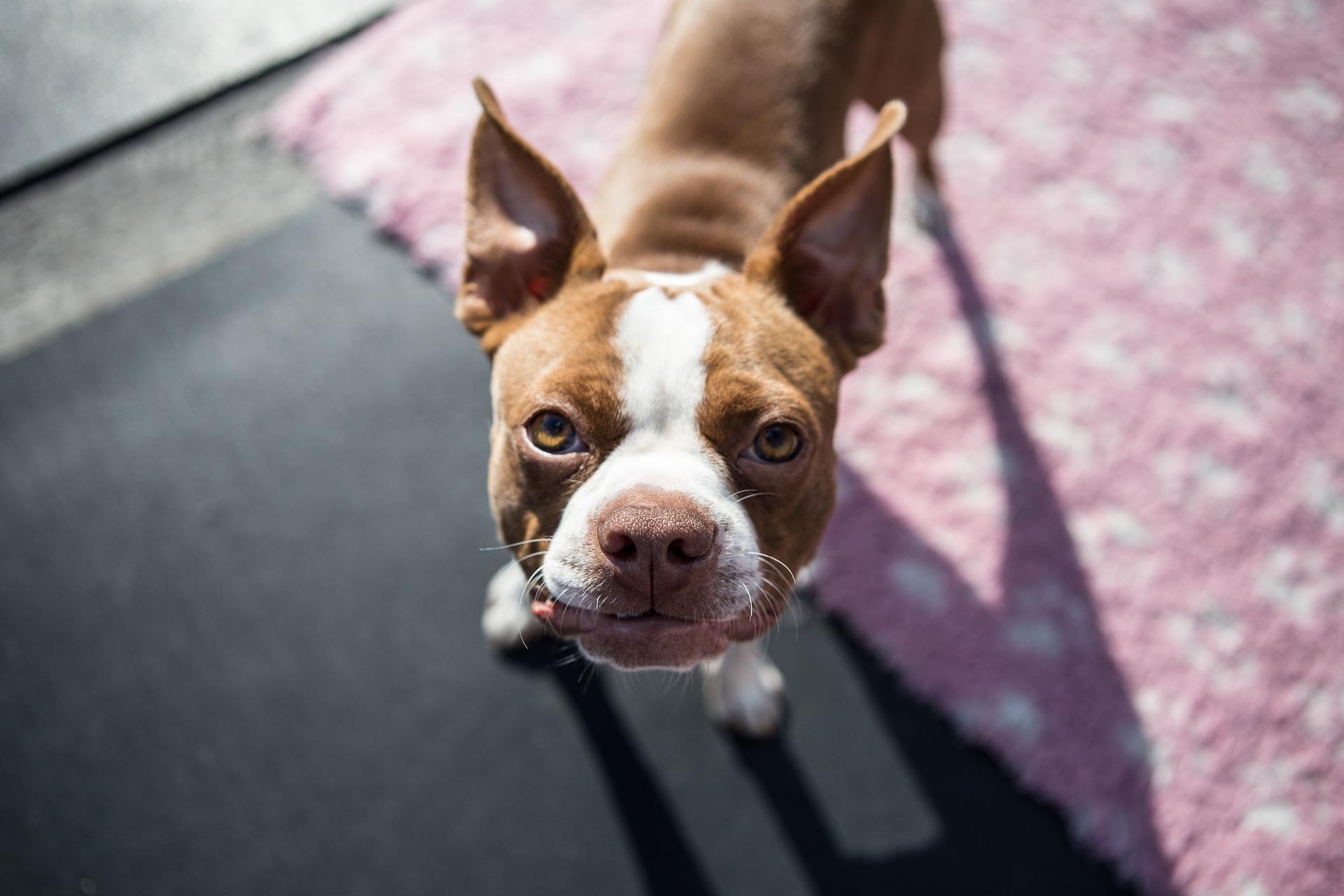
How often should you take your dog to see a Veterinarian?
You will grow a deep bond with your dog or dogs, and it is therefore essential that you do everything you can to keep them fit and healthy. Bad things can happen that aren't anyone's fault, but it is necessary to take your pets to the Vet for regular checkups.
How often should your dog see a Vet?
Puppy: 1 year and under
They will have to be seen quite a lot in the first year of life. They will have to go in for vaccinations, checkups, microchipping, and advice on when to start flea and tick medications. Then they might take them in to be spayed at around the six-month mark.
A puppy might appear healthy to you, but it is imperative to get regular checkups in the first year, usually monthly in the first four months, then the Vet will recommend a medical schedule to follow on from then.
Puppies do much growing, and things can go wrong in this period. So, it is essential to identify these things early so they can be treated.
In these early stages, a vet will also give you advice and recommendations on professional trainers and behaviouralists if needed.
Prime: 1 to around seven depending on the breed of the dog
Once they are out of the puppy stage and before they are classed as elderly, I call it their prime years.
In these years, if the doggie is full of energy, happy, and playful, then you will only need yearly checkups. The Vet will do full medicals, including checking their weight, checking for lumps, and even taking blood tests. They will be trying to establish if anything is wrong that a dog owner might miss. They will ask you questions, so don't be worried if they do.
You can usually combine this medical with their yearly vaccination boosters. This is handy if your pooch gets stressed and doesn't like going to the vets.
The vaccinations and medicals will vary between countries, states, and even Vets. Please find a local vet that has a good reputation and follows the schedule they set out for you.

Elderly: over seven depending on the breed of the dog
As dog's age, their temperament will change, their mobility may suffer, and they may eat less. These can be typical signs of aging, but as dog's age, they are at more risk of disease and ailments such as digestive issues and arthritis.
So, you will likely find that vets will start scheduling bi-annual checkups for your furry best friend. These medicals may be more detailed and comprehensive. For example, they may begin checking hormone levels and taking urine samples.
Throughout all the medicals, dental health will be checked. This is even more important for elderly dogs who are more likely to suffer dental health issues. These issues can be painful, but they can also indicate general poor health or specific health issues.
Why are checkups important for your dog?
It is easy to skip medicals if you think your doggo appears to be happy and healthy, but it is essential you stick to the medical schedule your Vet recommends for many reasons:
Early is best
As with humans, the quicker you can identify a potential issue or disease, the easier it is to treat. If you can pick up something like cancer early, then the ability to recover from it is usually much higher. Cancer is responsible for over 10% of dog deaths, so it is not something to take lightly.
Advice
Going in for regular checkups will enable you will get formal advice from your Vet. They may recommend that the dog goes on a diet because it is overweight and tell you what they should weigh, so you know how much weight they need to lose. Being overweight can cause many joint and heart problems in later life, so it is best to nip any weight gain in the bud early. The Vet may also comment on a coat and dental health, and even if nothing is majorly wrong, they might say the dog needs some plaque removal or something similar.
Education
Regular medicals and appointments are a way for you to learn and develop as a dog owner. Please do not take any offense to what a vet might say. Use it as an opportunity to learn. Even if you think you are doing everything right, it is good to adapt and improve what you do. You owe it to your dog to do the best you possibly can for them.
Also, how you treat a dog as a puppy, in its prime, or as an elderly could differ a great deal, so it is always good to seek professional advice.
Vaccinations
Having regular checkups is a great way to keep on top of their vaccination and medication protocol. This means you do not have to keep track of things yourself, and you do not have to research what is needed legally depending on where you live. The vets will have a complete medical record of your dog's health history, so they will know what is required and when.
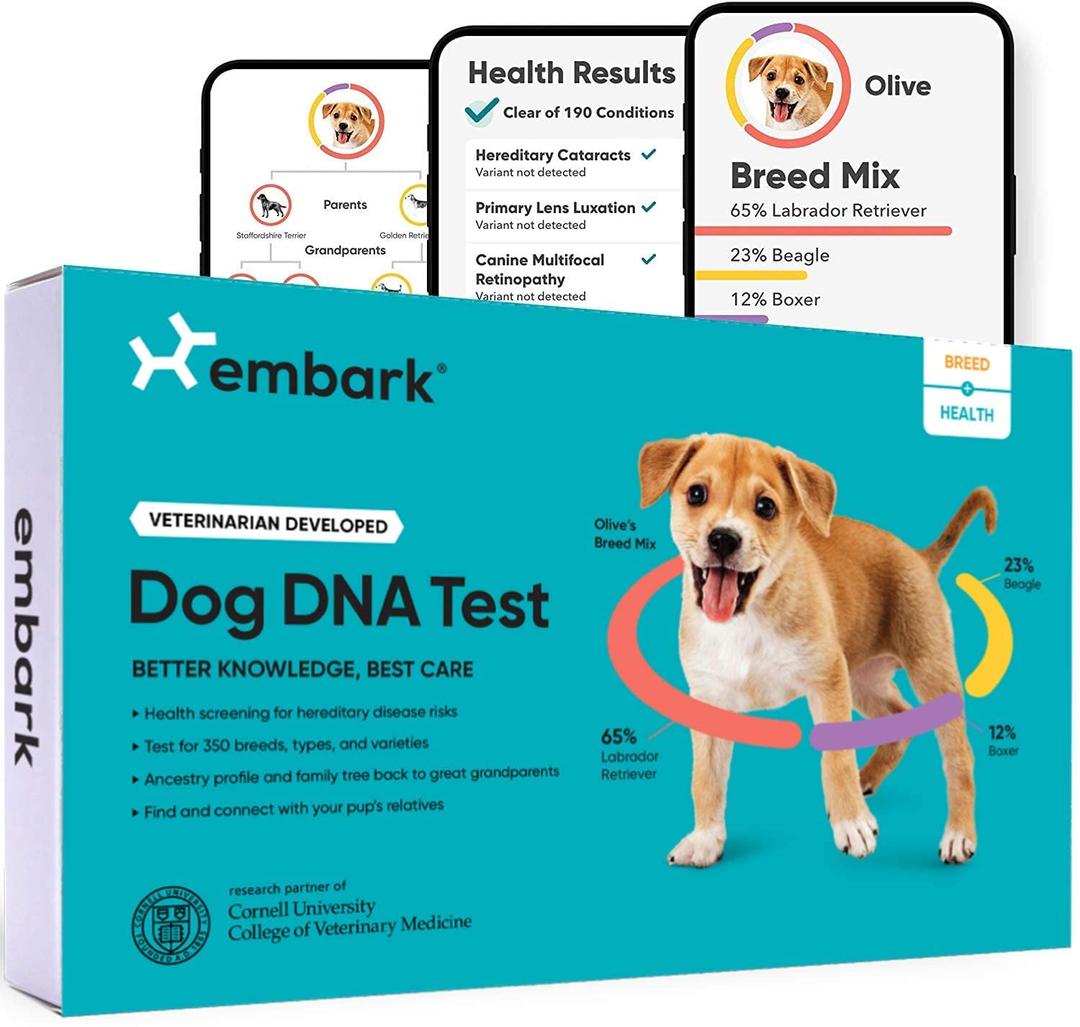
HERE ARE OUR RECOMMENDATION FOR DOG DNA TEST KITS

Final thoughts
You do not want your dog to get an ill full stop, and medicals can provide early warning signs and ensure you are abiding by the law of where you live. If you have Pet Insurance, it helps lessen the worry of diseases and injuries. If you choose not to have insurance, it is even more vital that you get regular checkups because if you let an illness or injury fester, it could cost you a lot of money.
CHOOSE PET DREAMLAND LEASHES
FOR A 100% LIFETIME WARRANTY

Hands Free Dog Leash for One Large Dog

Hands Free Dog Leash for One Large Dog (Short Version)
For all general inquiries, please contact us at customer@petdreamland.com